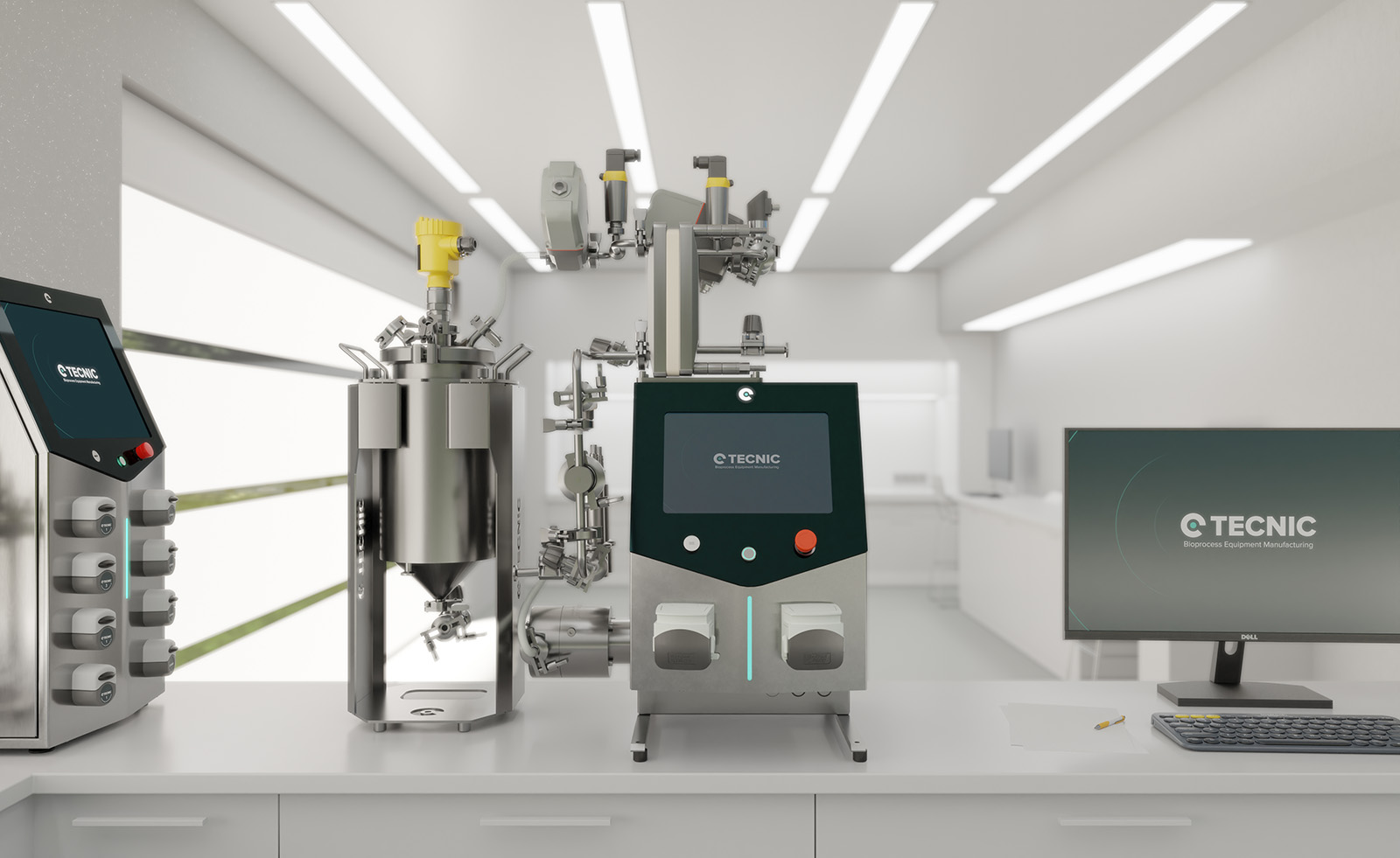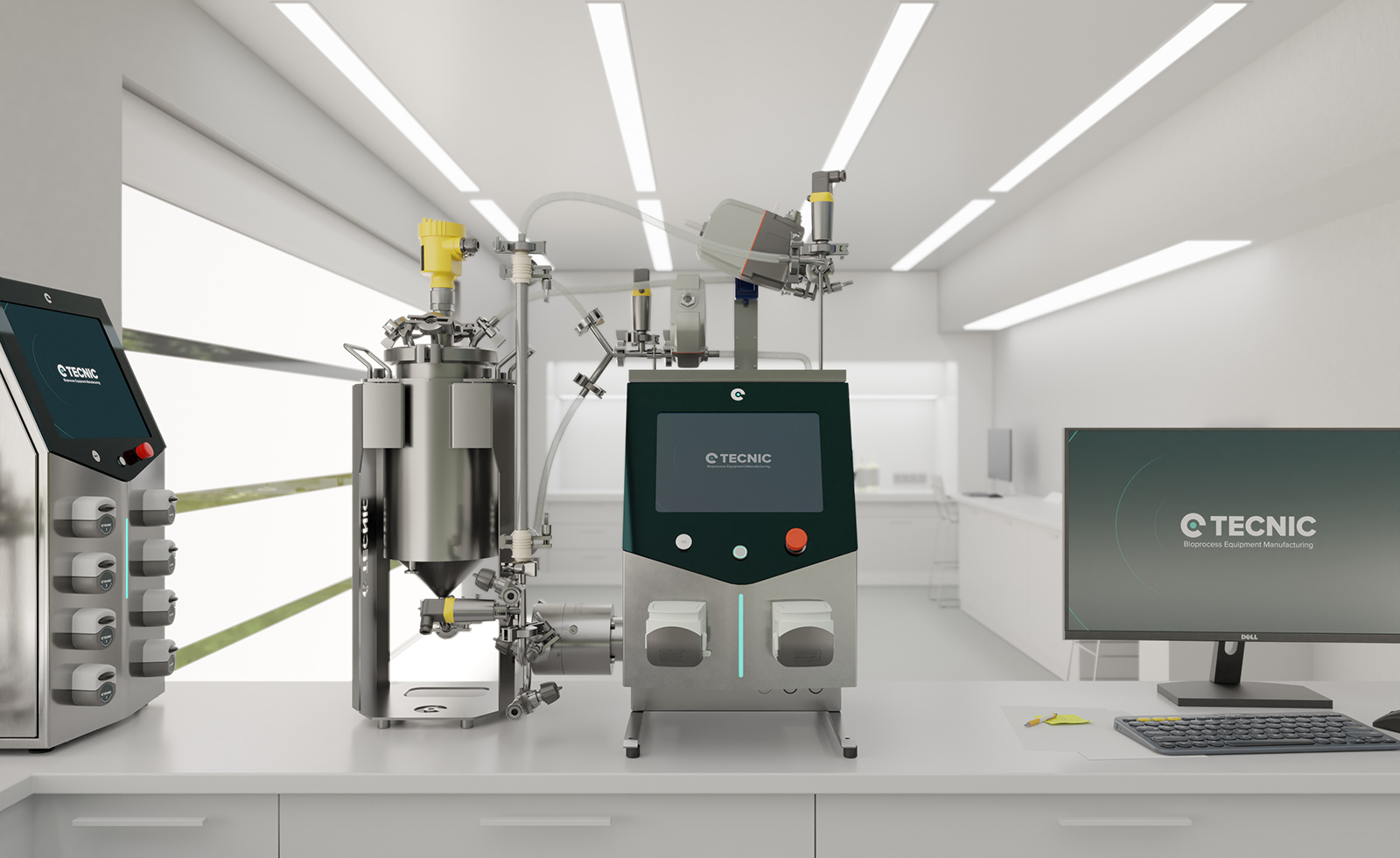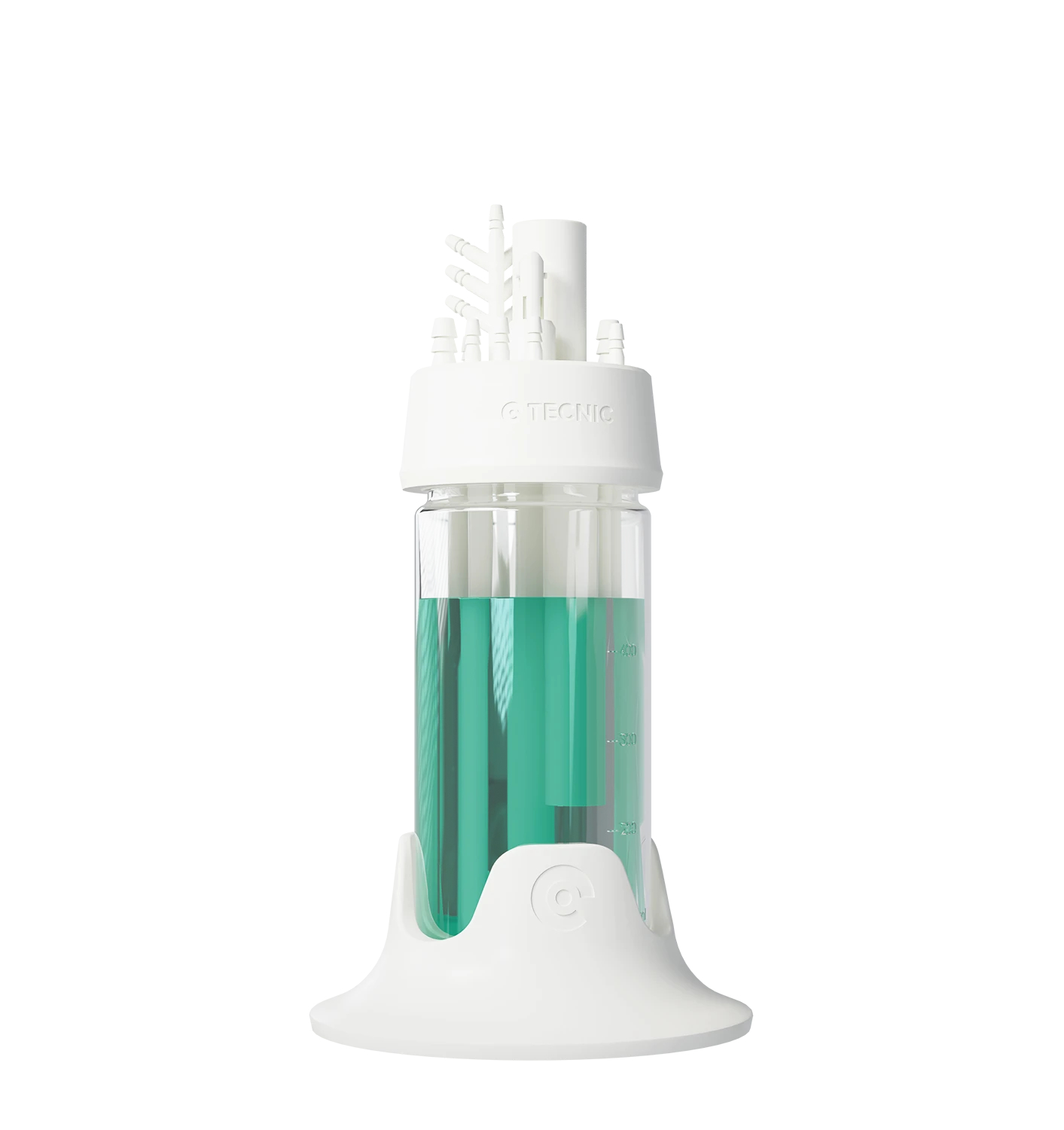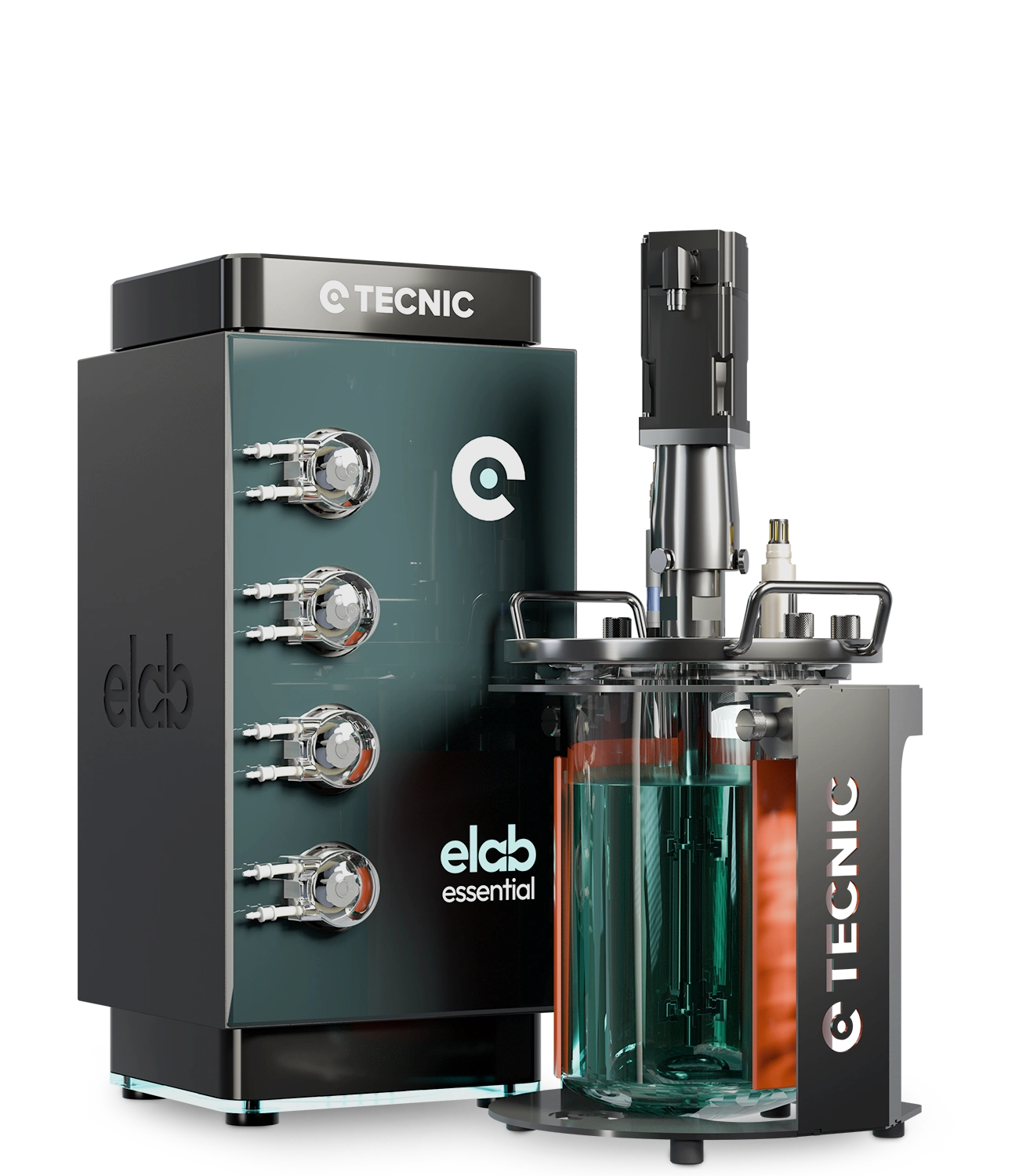
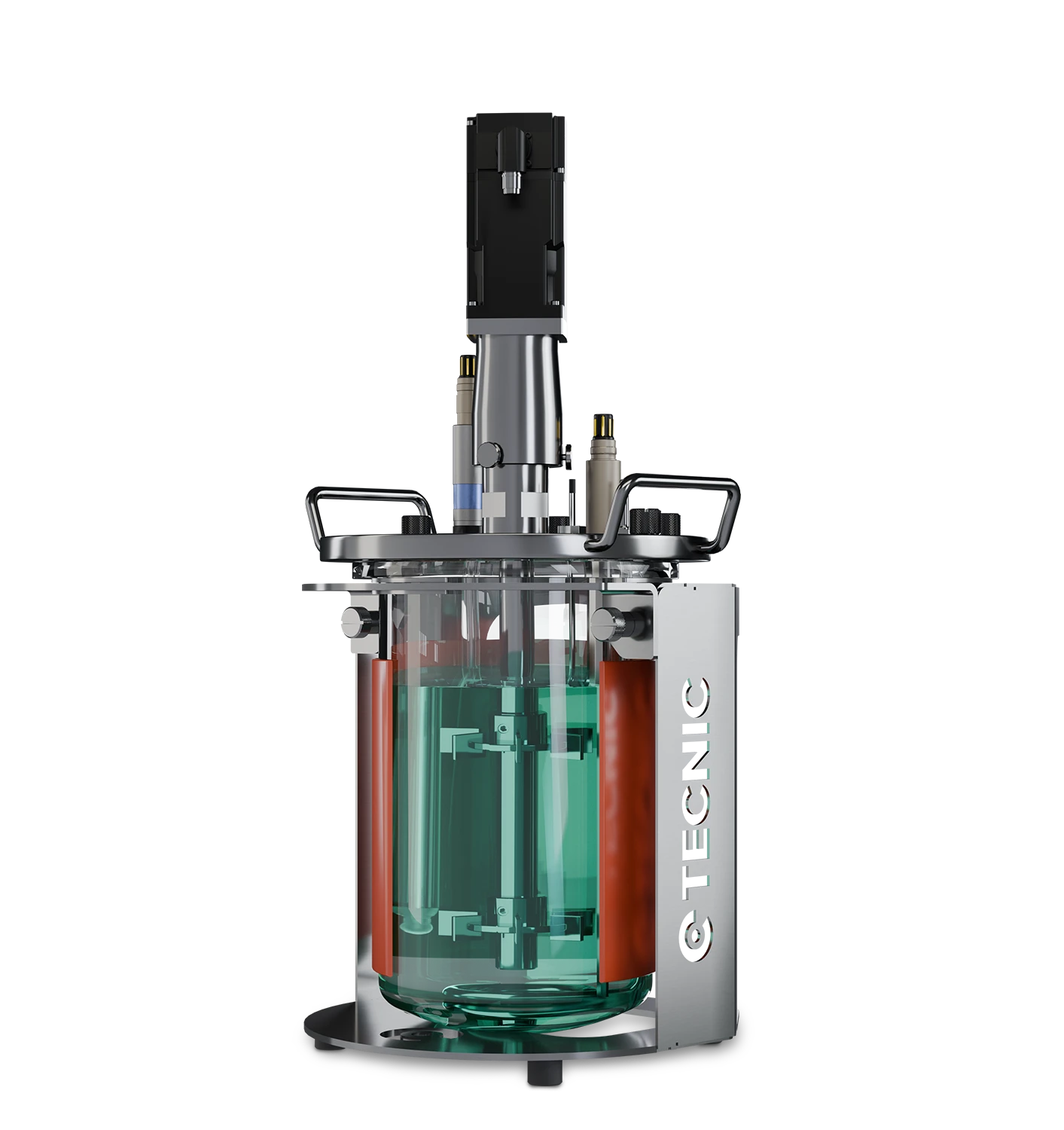
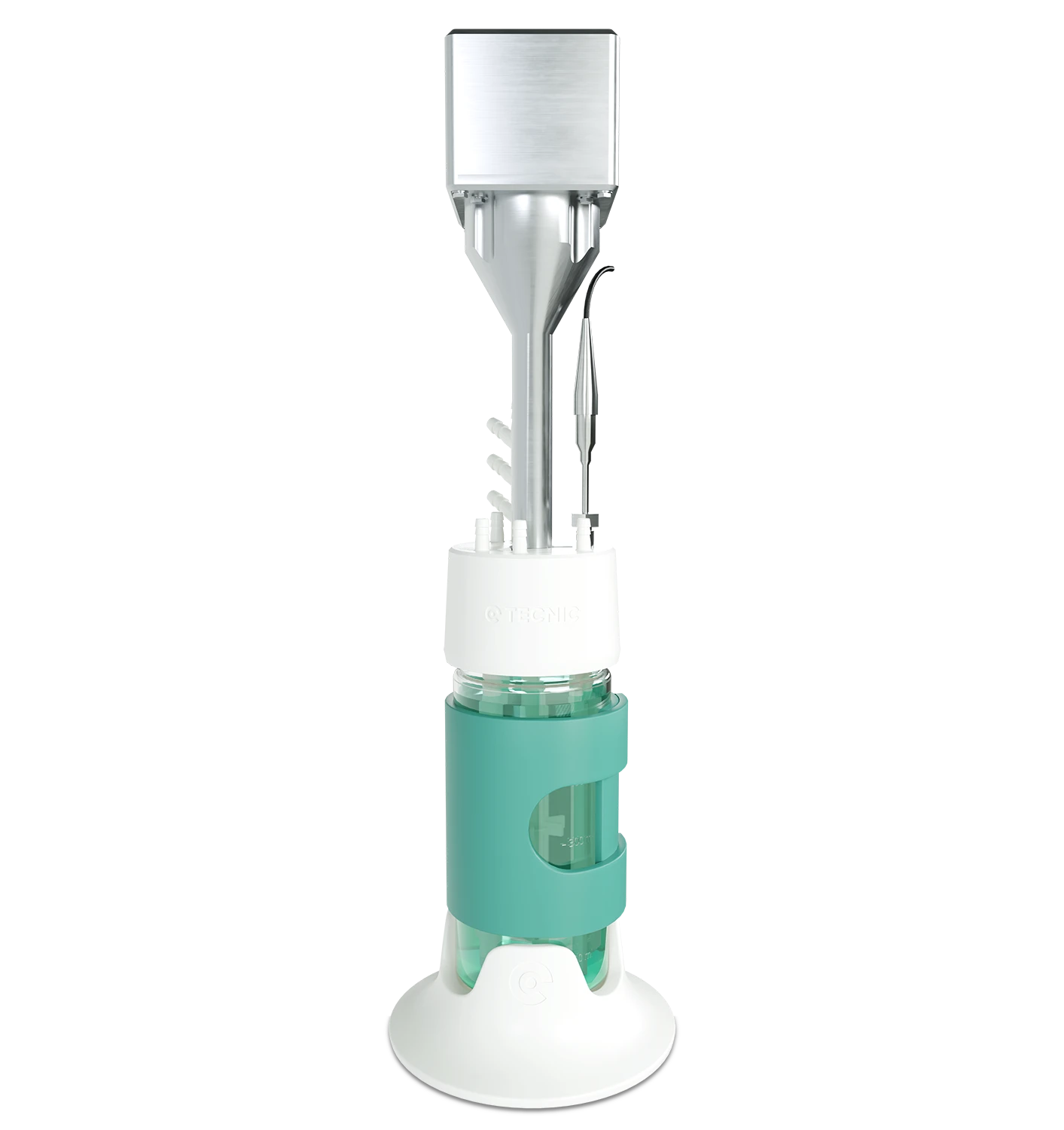
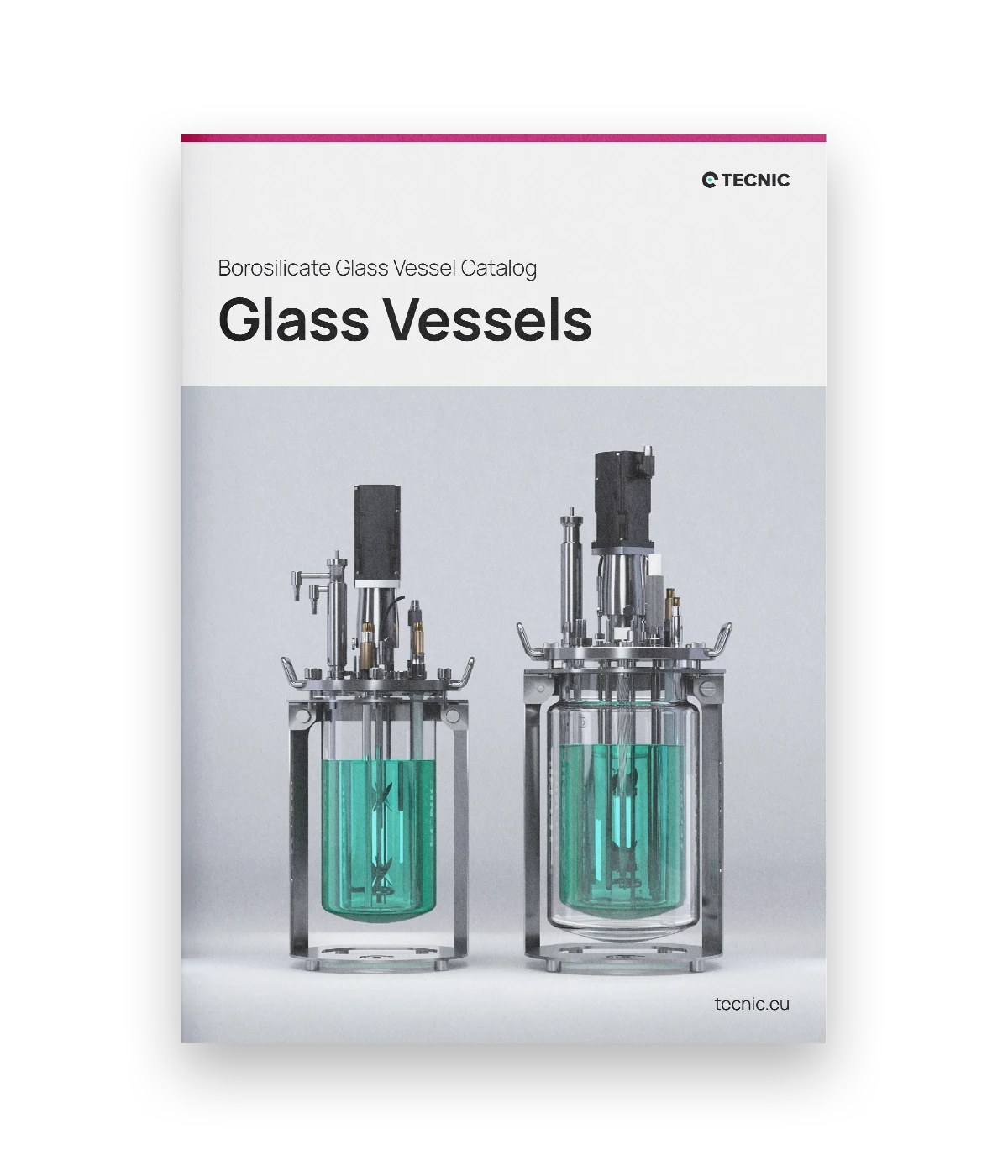

Lab, pilot and production bioreactors
Bioreactor selection often changes with scale. What works at laboratory level is not always enough for pilot transfer, and what supports pilot work is not always the final answer for production. That is why scalable bioreactor platforms matter so much in bioprocessing.
TECNIC bioreactors cover laboratory, pilot and production scale in both single-use and multi-use formats. This page is designed to help users compare the portfolio by scale first, then connect that choice with the right process and technology route.
Scale decisions are closely linked to process type. Many teams comparing laboratory, pilot and production platforms also need to review bioreactors for cell culture and microbial fermentation to understand how the biological route shapes the best platform path.
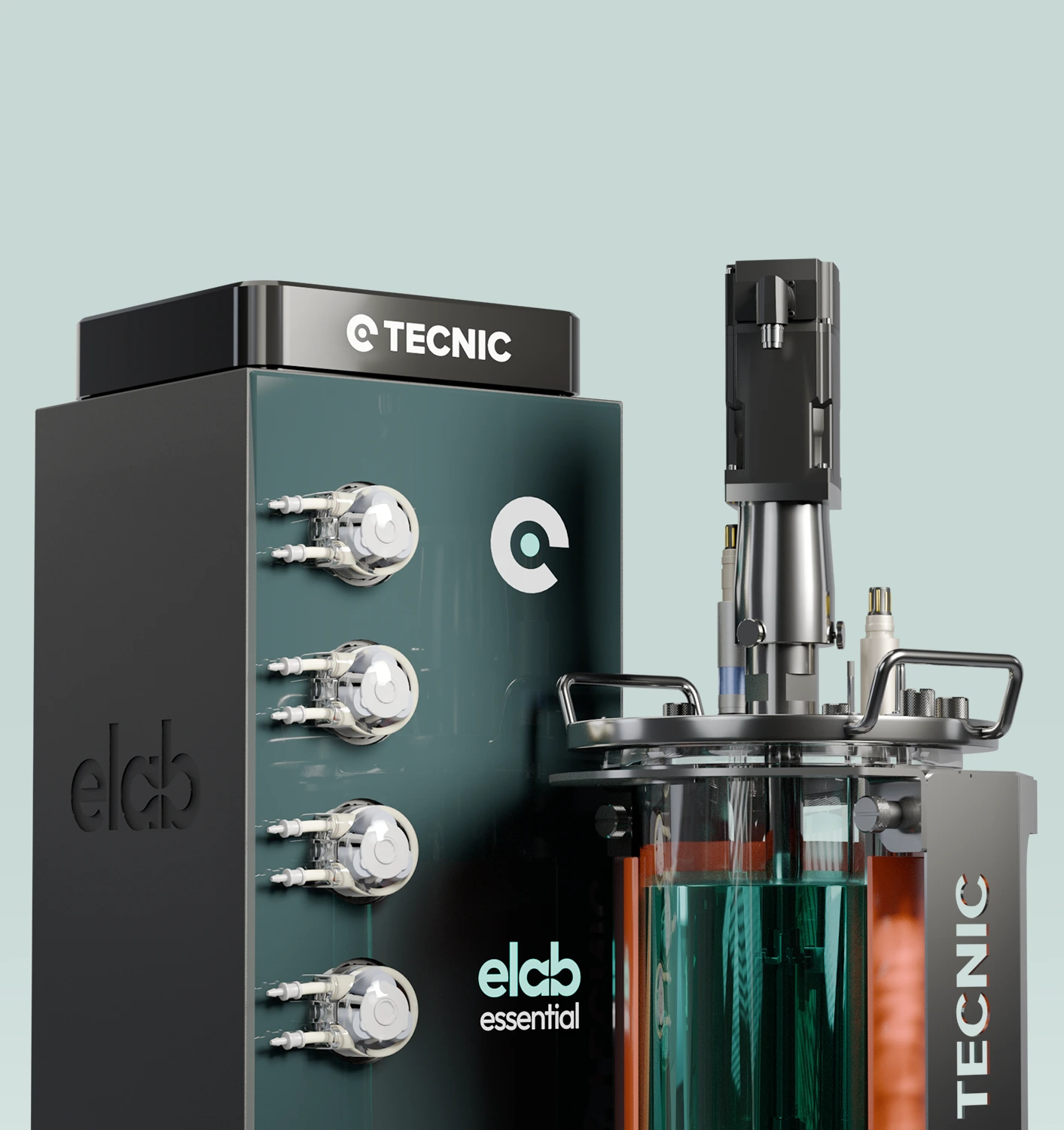
Choose the right bioreactor by scale
Bioprocess teams do not usually choose a lab, pilot or production bioreactor for the same reason. Each scale solves a different problem in the process path, which is why scale-based comparison is one of the clearest ways to understand the portfolio.
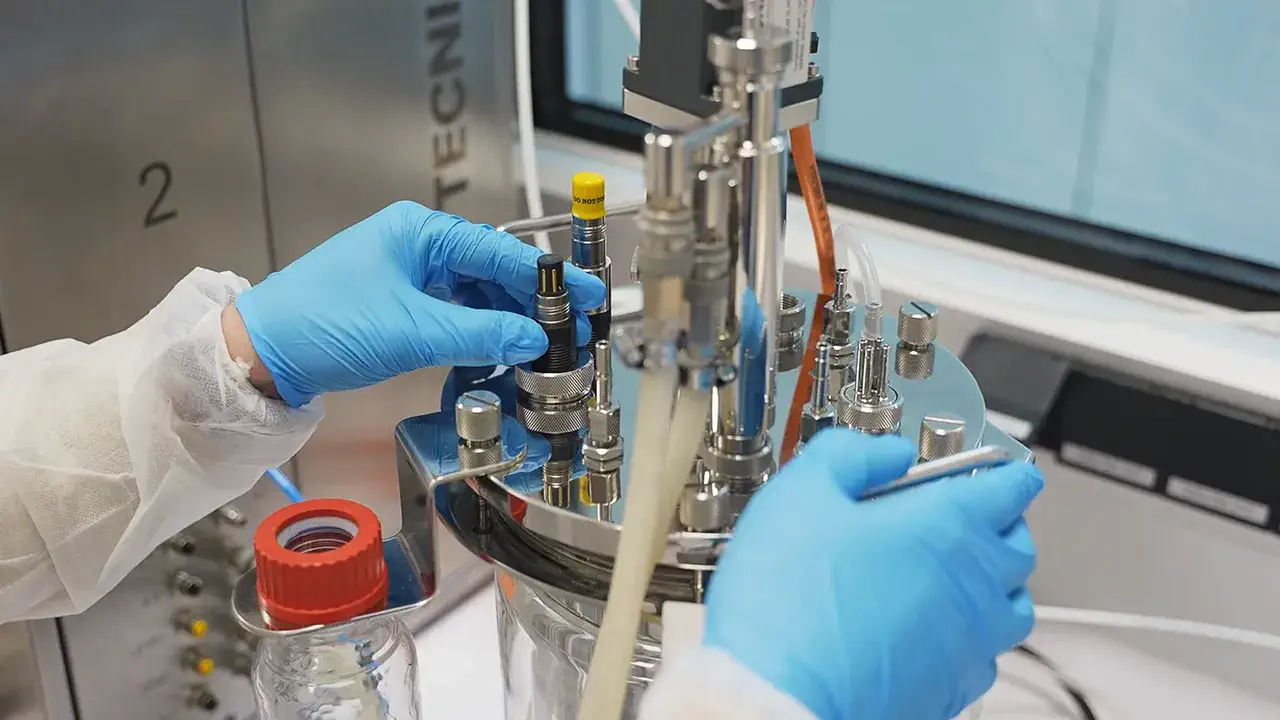
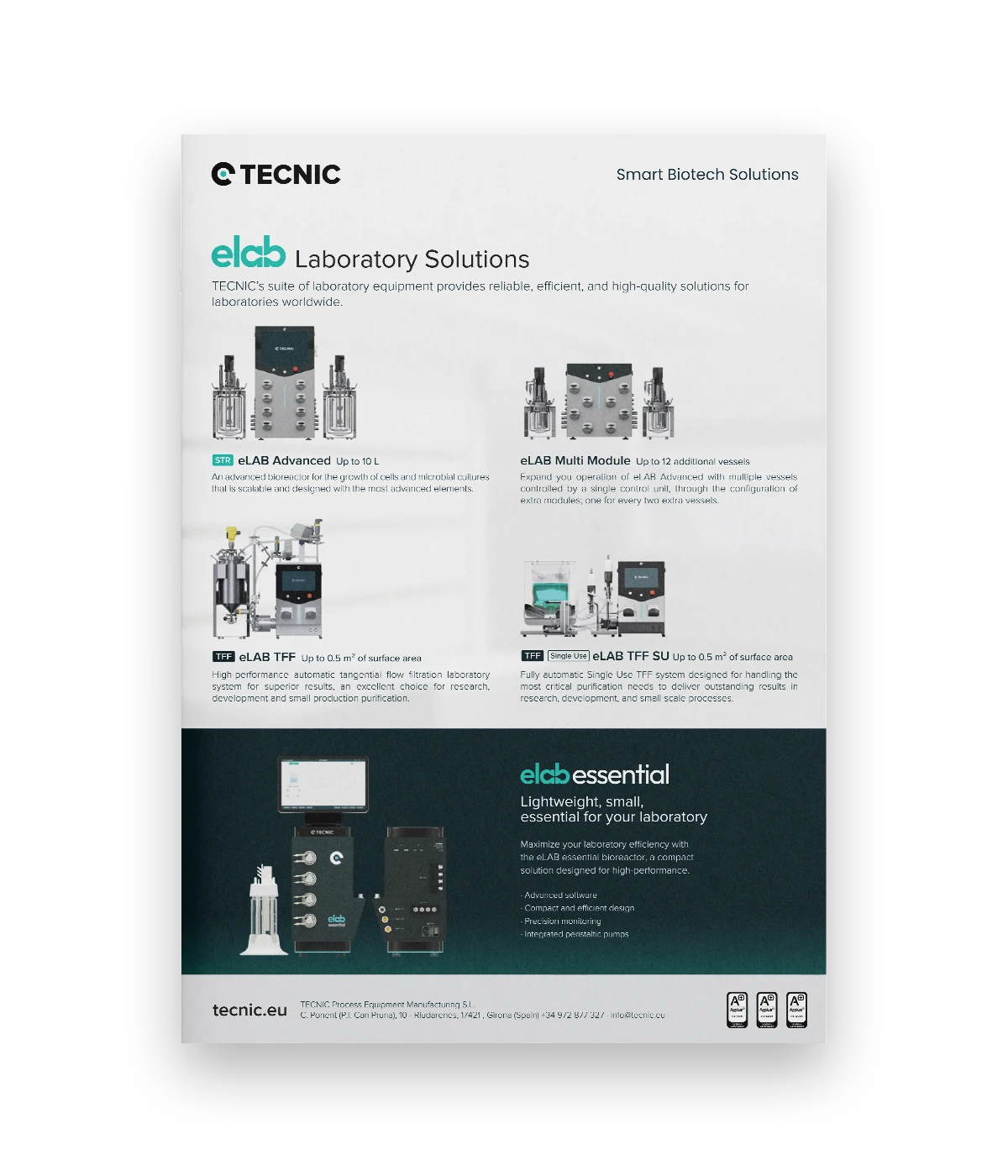
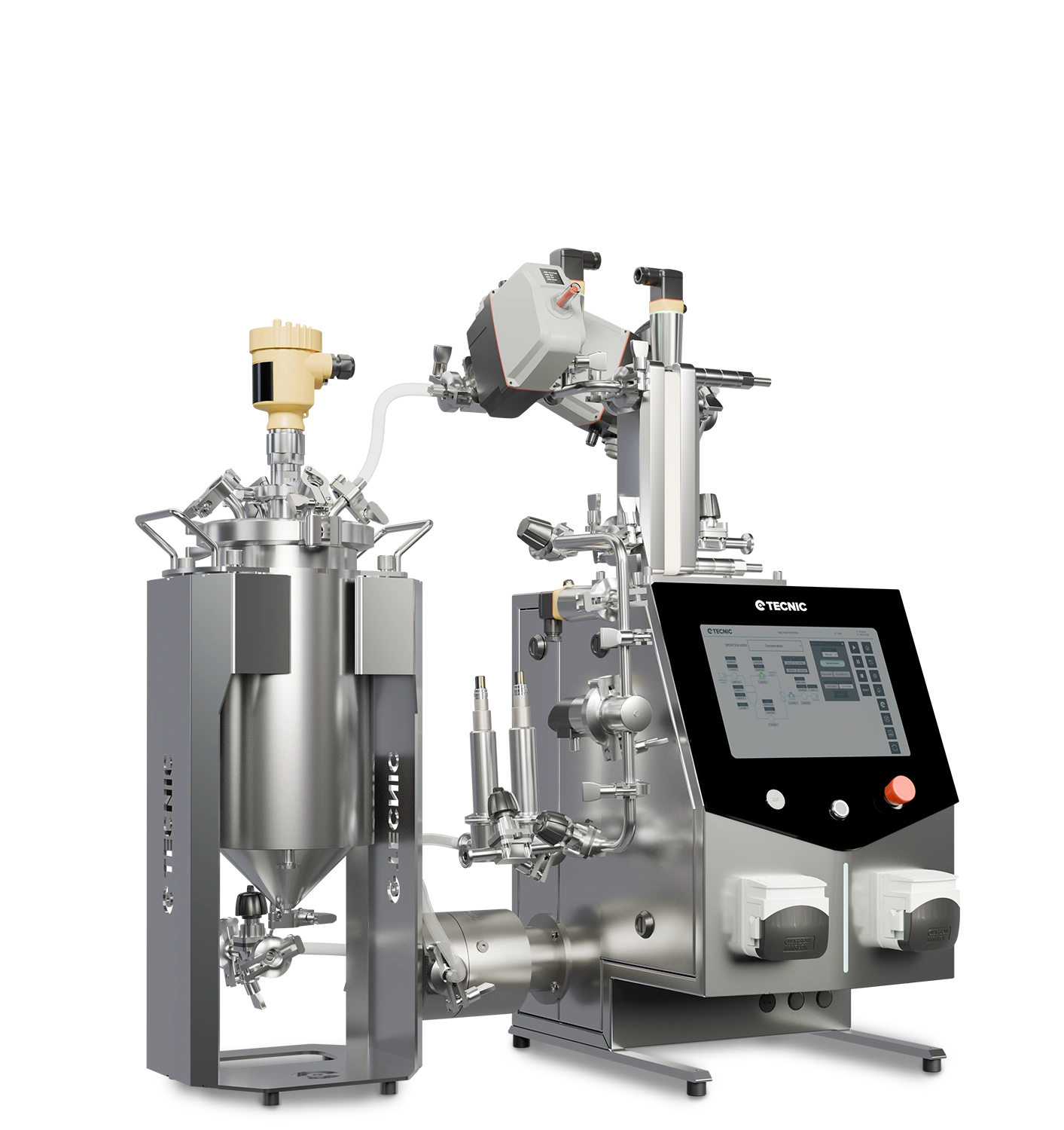
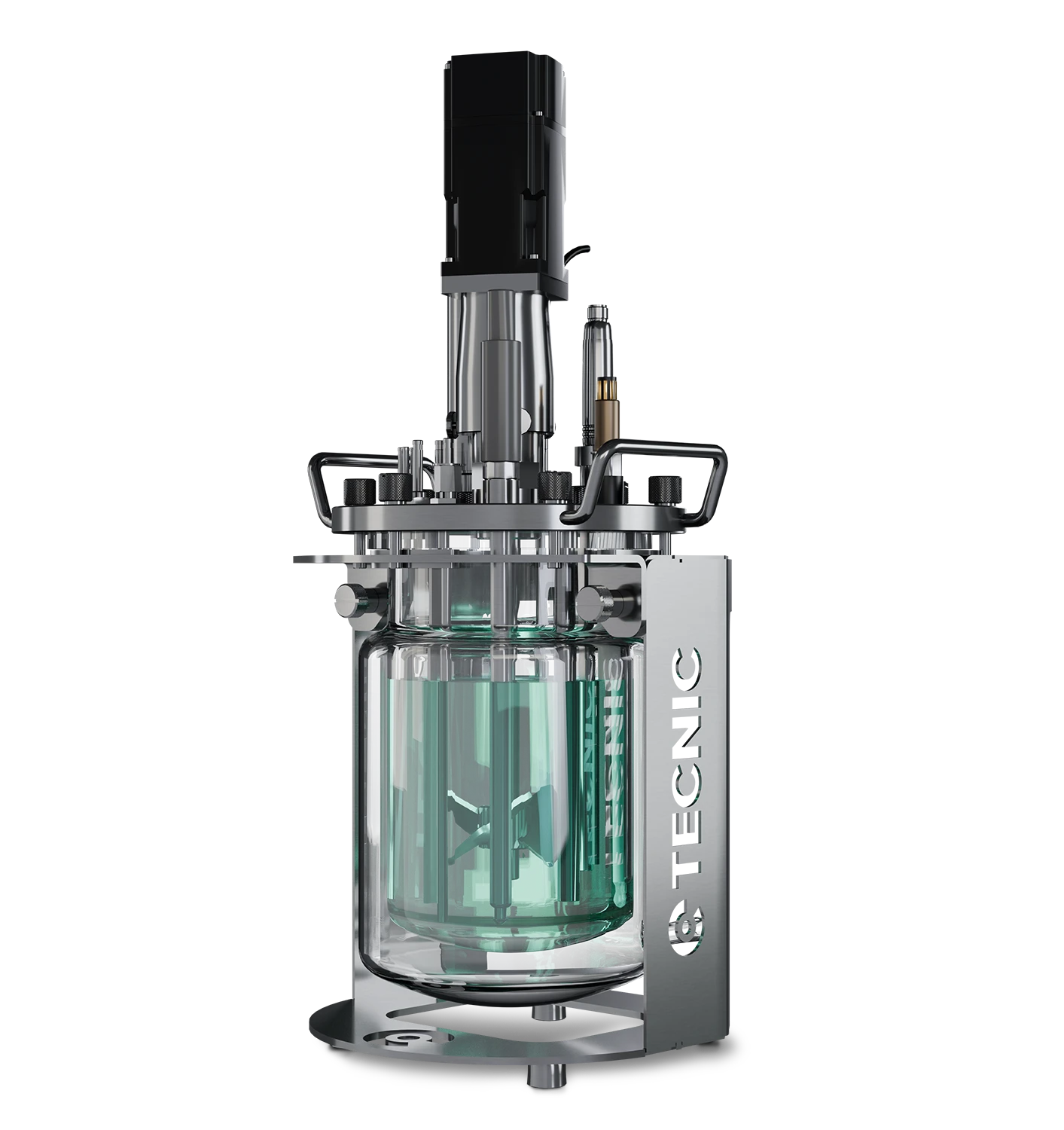
Laboratory bioreactors for early development
Laboratory bioreactors are used when teams need controlled development work, early optimization and a practical small-scale environment to test process logic before scale increases.
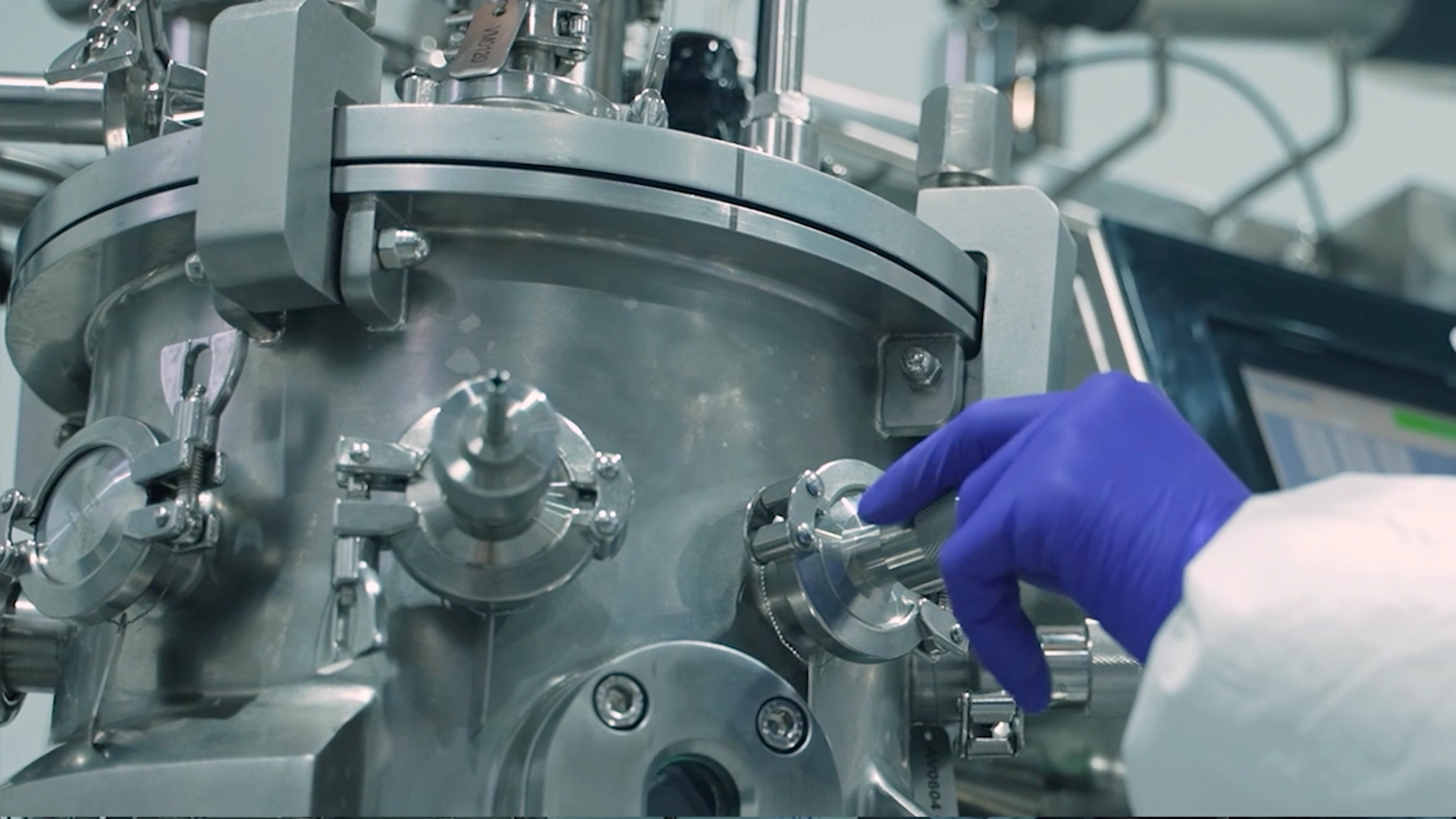
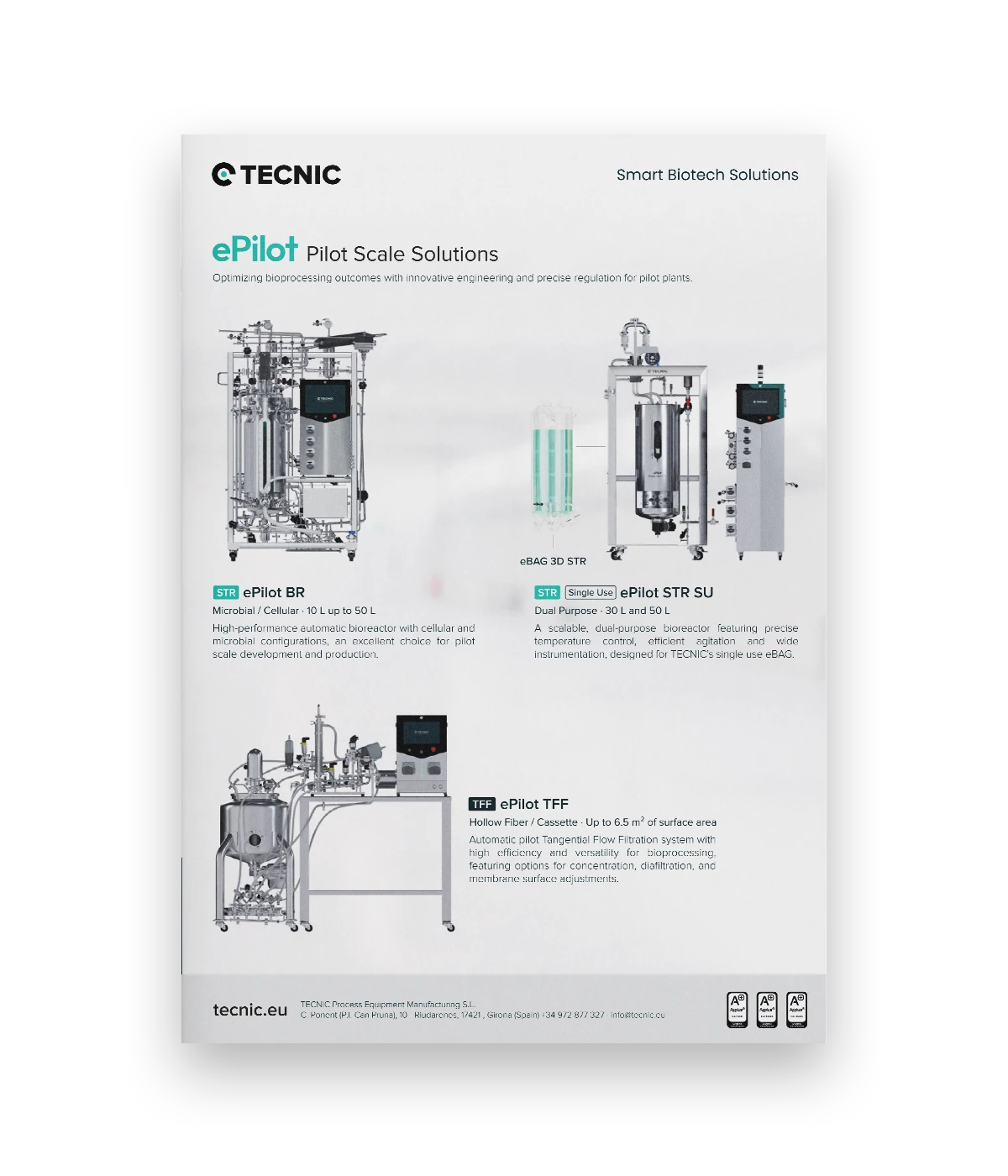
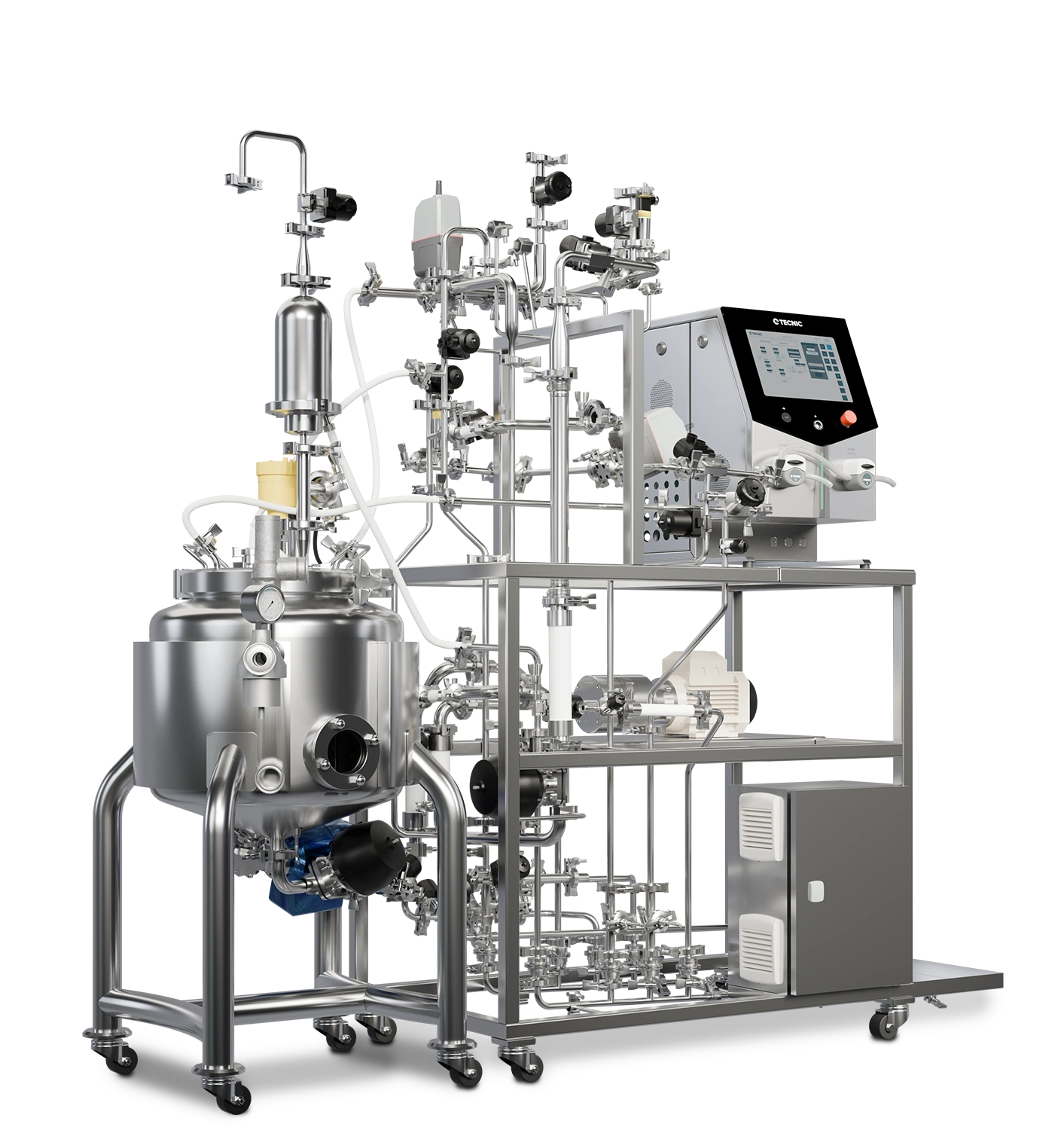
Pilot bioreactors for process transfer
Pilot bioreactors are used when the process needs to move beyond development into a more transfer-ready environment, with stronger operational logic and better visibility of how the route behaves at larger volume.
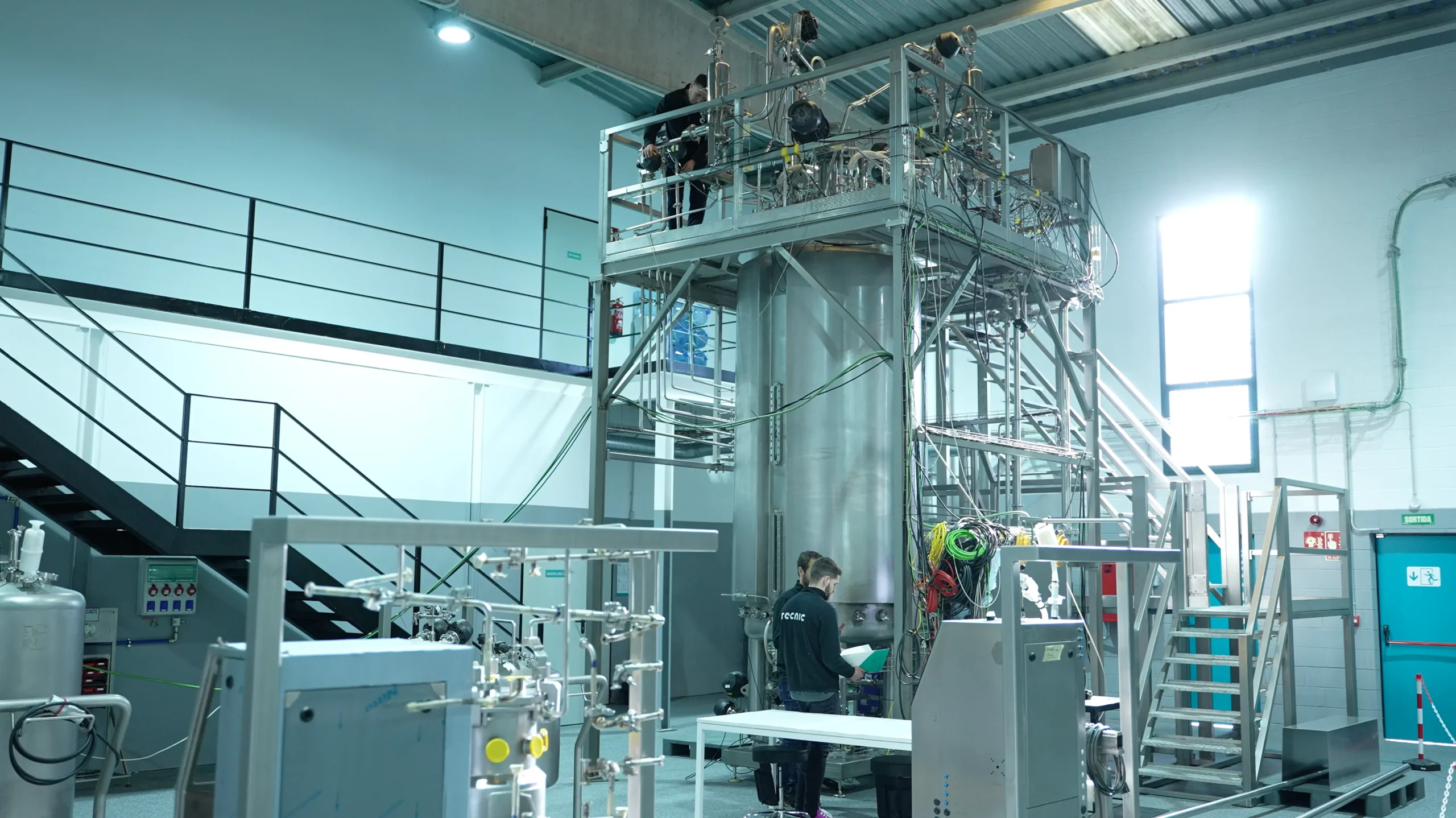
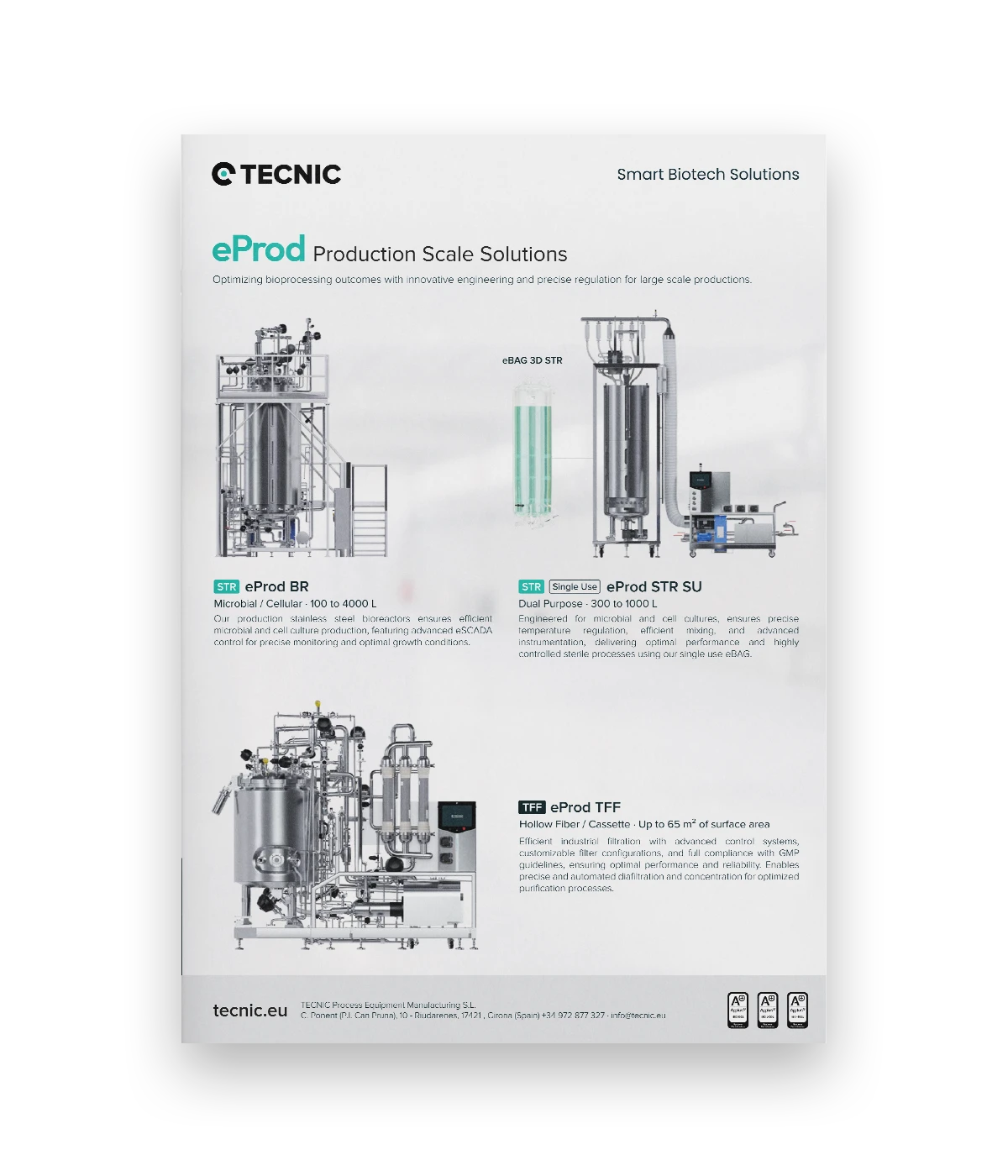
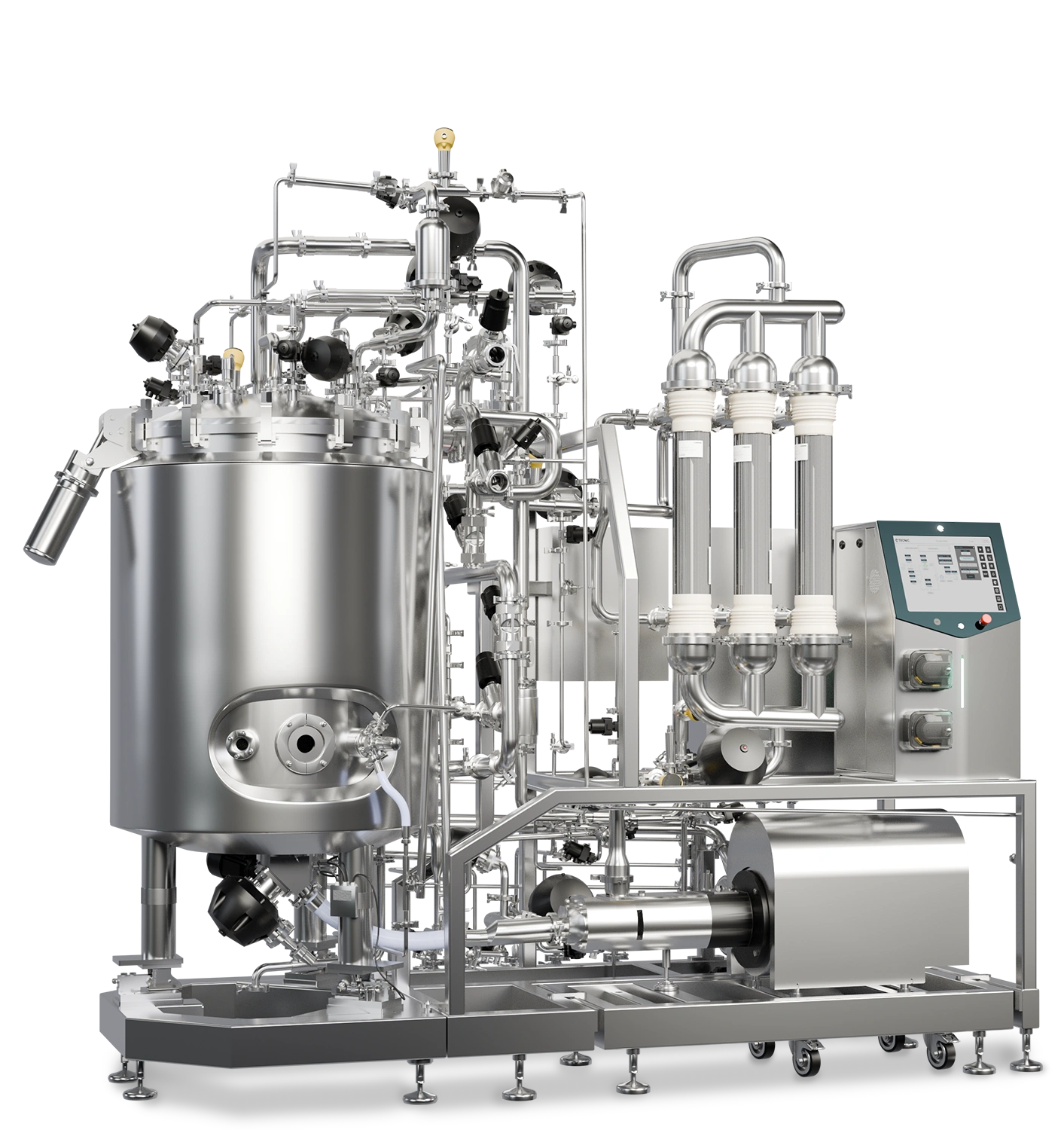
Production bioreactors for larger-scale execution
Production bioreactors are used when the process needs stable large-scale execution, a platform aligned with manufacturing goals and the ability to keep process performance under more demanding operating conditions.
Scale map across the TECNIC bioreactor range
This view reorganizes the current TECNIC portfolio by scale so users can compare the lab, pilot and production pathway first, then connect each stage with the right technology and process route.
Use this table when the main question is where the process sits today in the scale-up pathway, and what platform family supports the next stage without losing operational continuity.
| Platform | Scale | Technology | Volume range | Typical role | Use case fit |
|---|---|---|---|---|---|
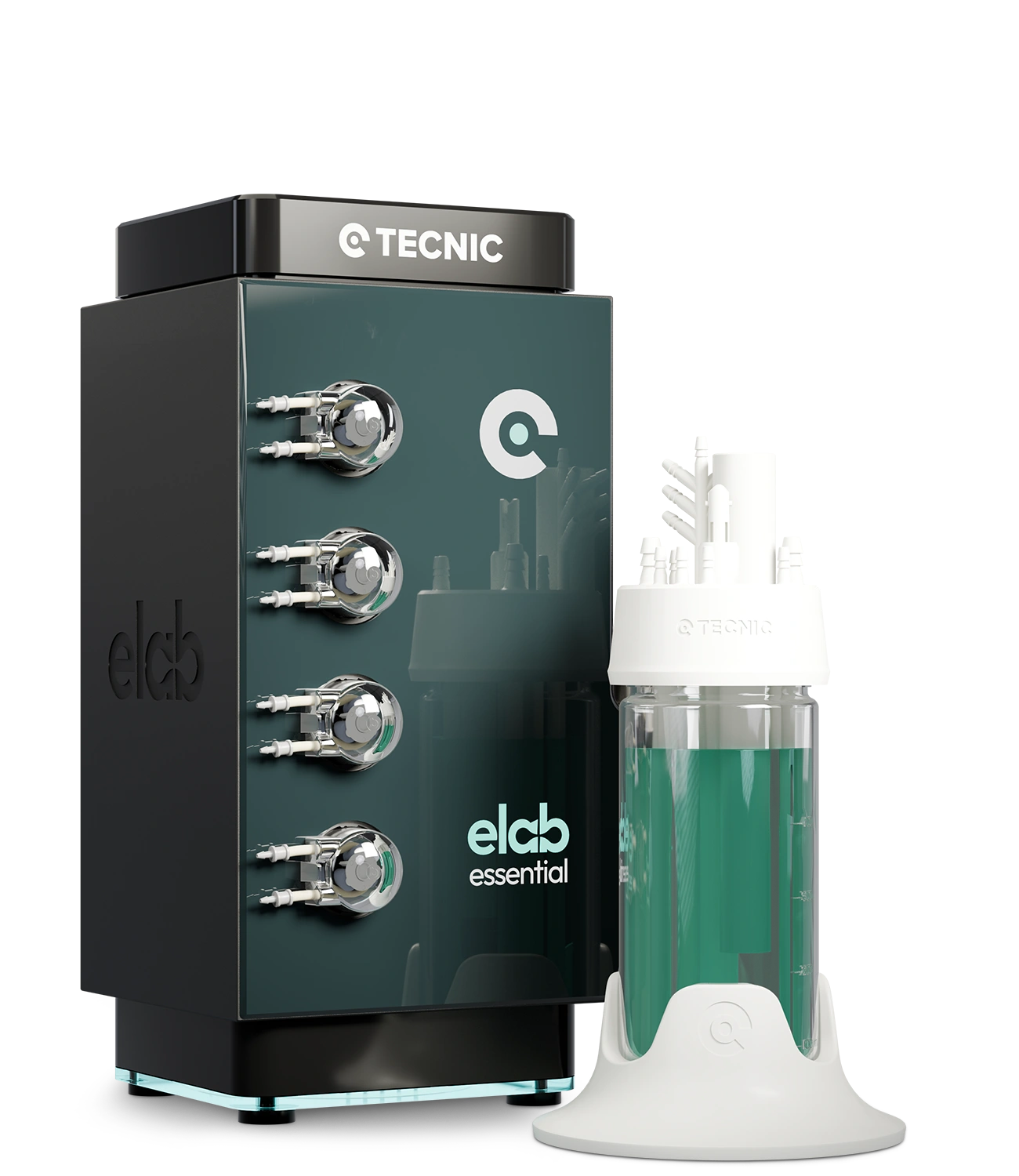
| eLab Essential | Laboratory | Multi-use | 1 to 10 L | Lab-scale development platform | Reusable small-scale process development |
| eLab Essential SU | Laboratory | Single-use | 0.5 to 10 L | Lab-scale single-use platform | Flexible early-stage development |
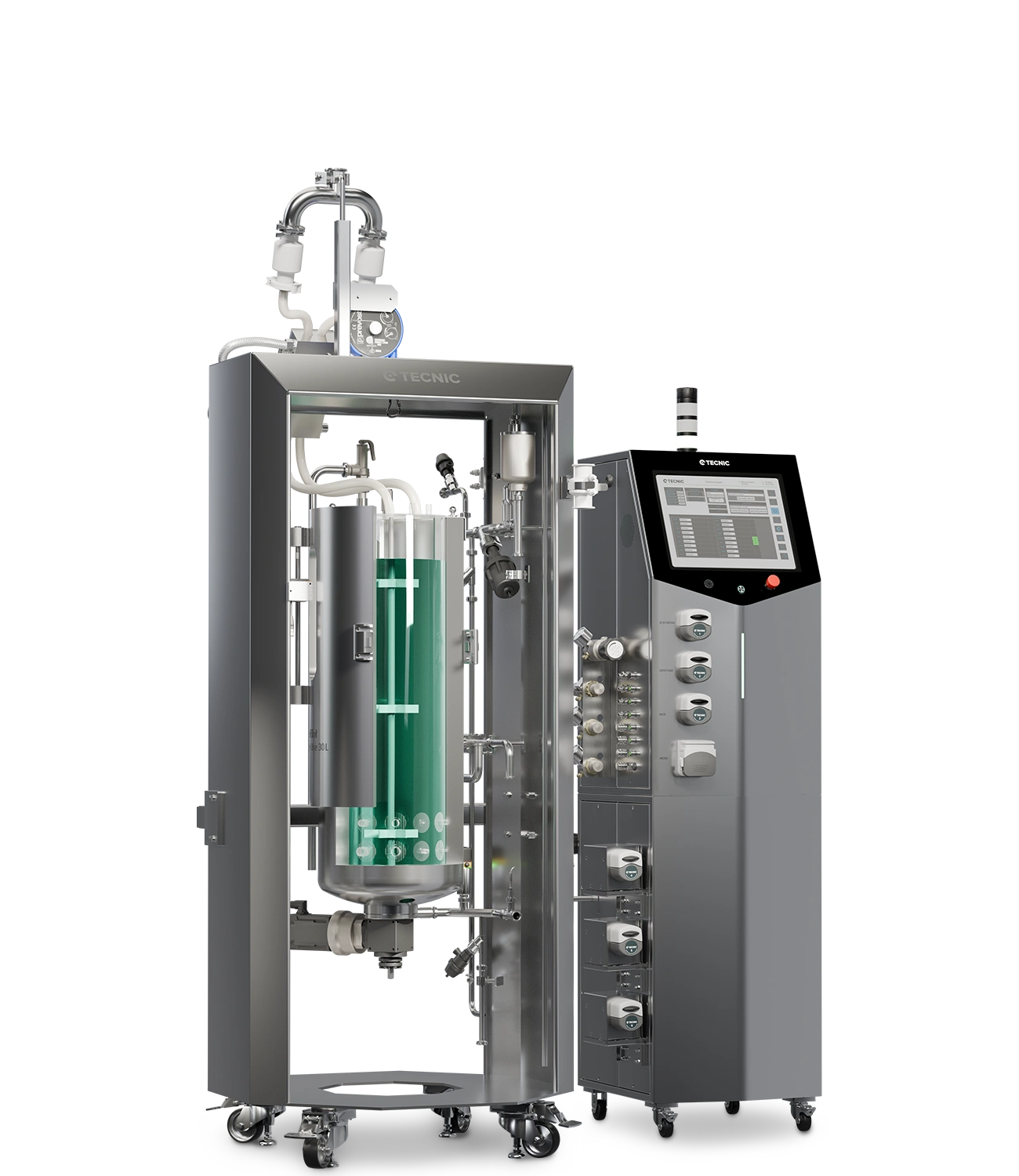
| ePilot Bioreactor | Pilot | Multi-use | 30 to 50 L | Pilot bridge platform | Reusable process transfer and scale confirmation |
| ePilot Bioreactor SU | Pilot | Single-use | 30 to 50 L | Pilot single-use bridge platform | Flexible transfer between lab and production |
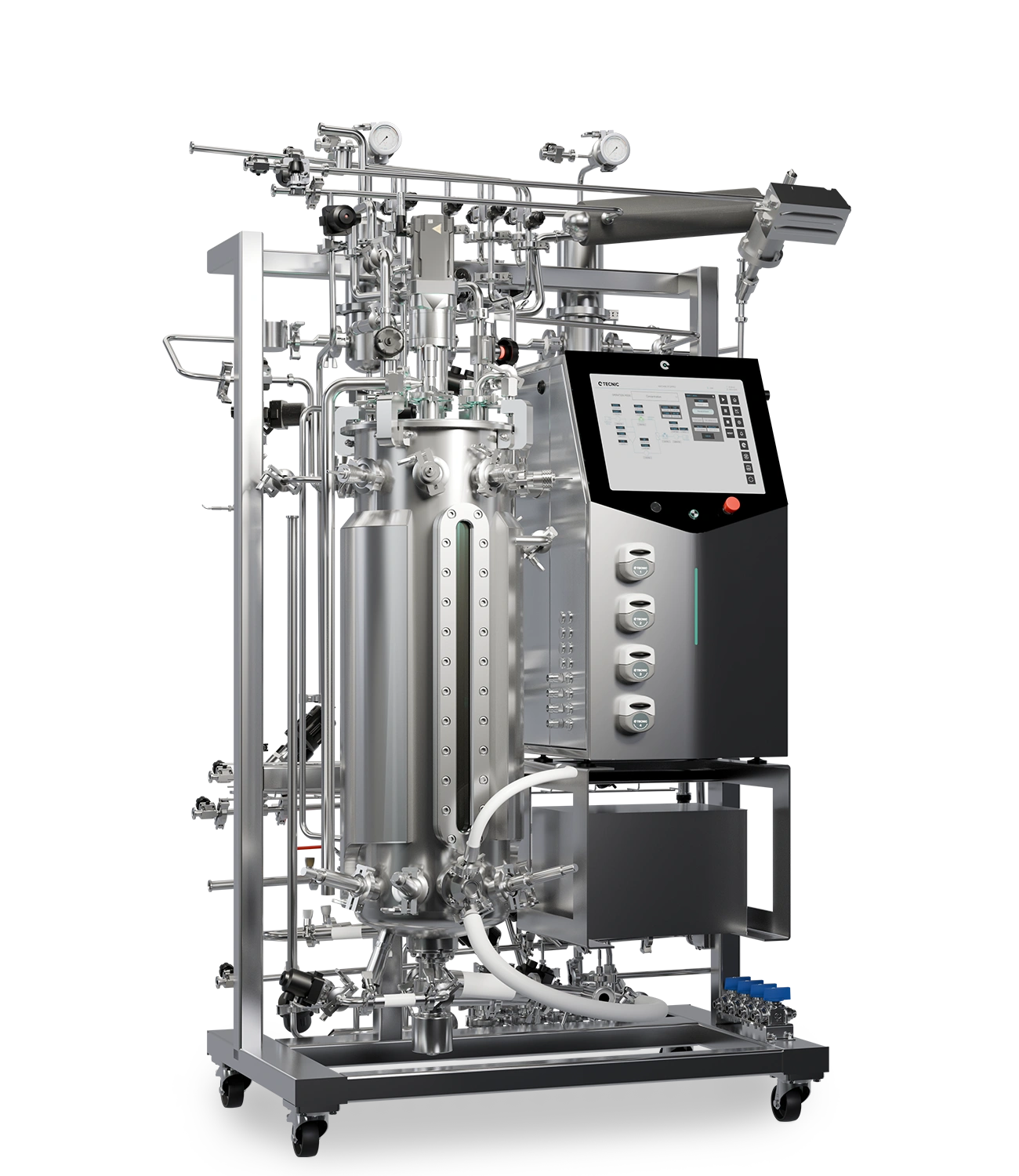
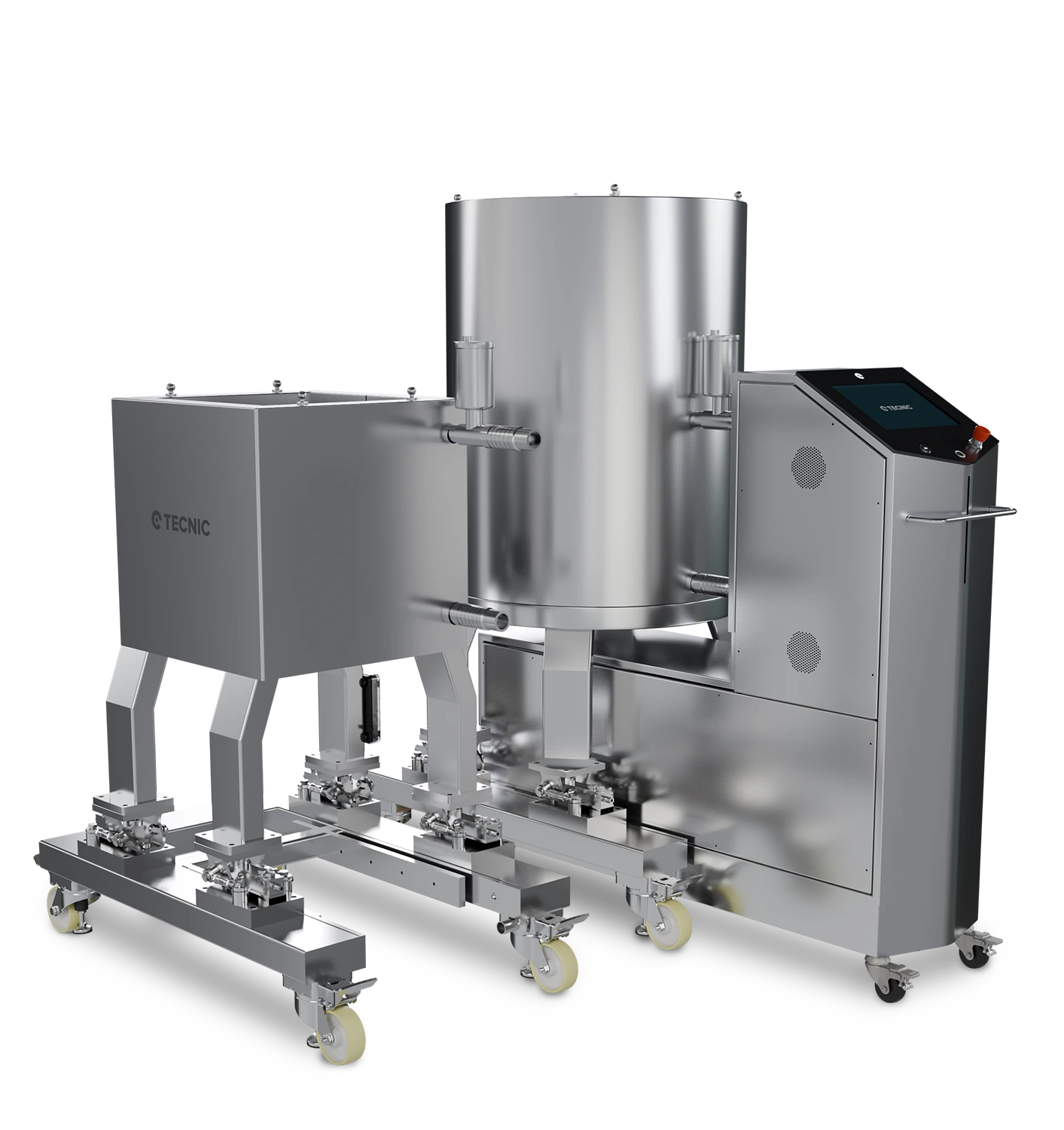
| eProd Bioreactor | Production | Multi-use | 100 to 2000 L | Production multi-use platform | Larger reusable manufacturing workflows |
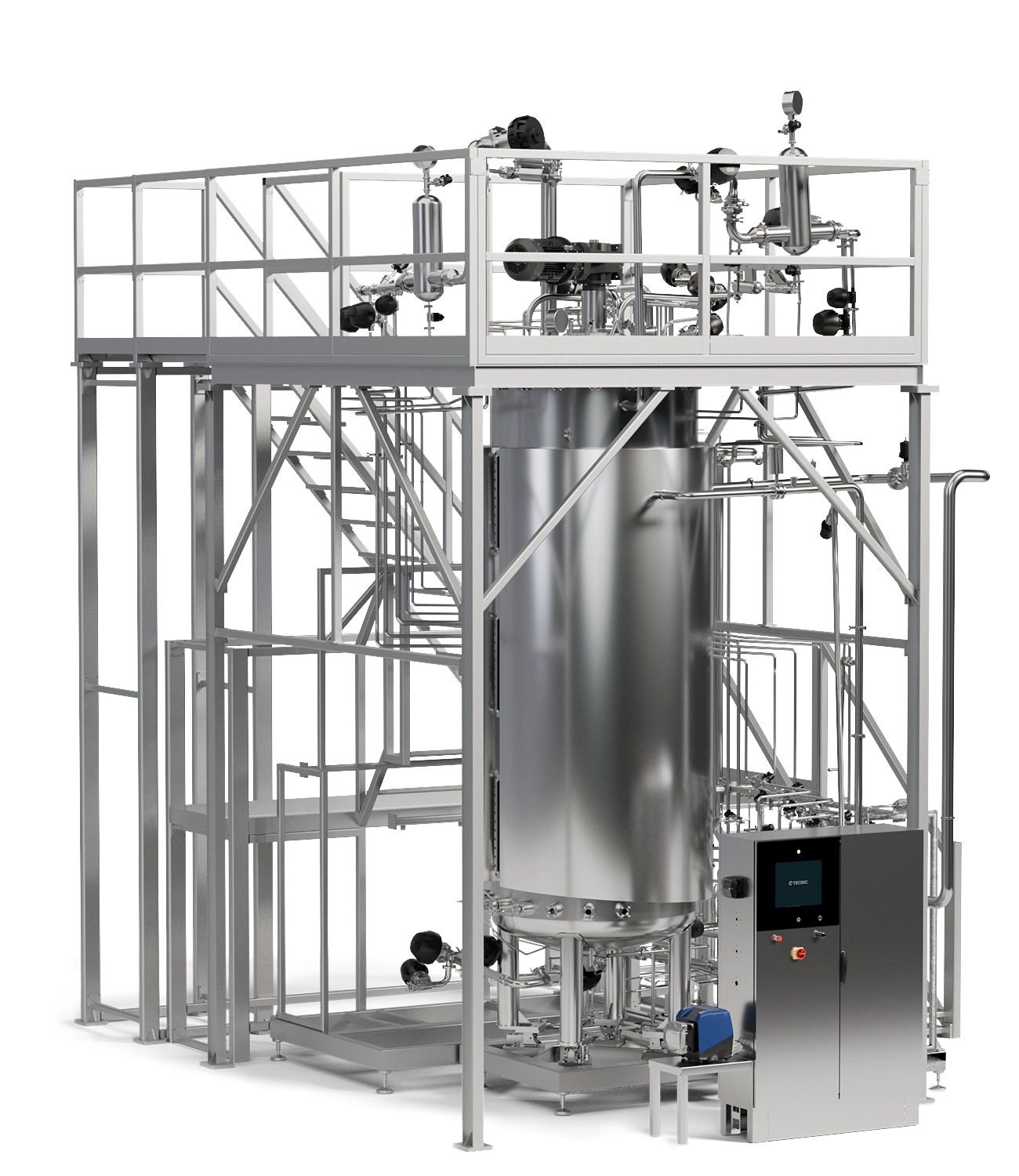
| eProd Bioreactor SU | Production | Single-use | 300 to 2000 L | Production single-use platform | Larger flexible single-use execution |
How scale-up changes the platform choice
Users comparing bioreactors by scale are usually trying to understand when the next platform becomes necessary, and how to move from one stage to the next without breaking the logic of the process.
Scale also connects directly with technology and workflow continuity. Users comparing lab, pilot and production stages often need to explore single-use and multi-use bioreactors and relate that decision to a broader view of bioreactors for bioprocess scale-up.
Scale selection is about process maturity, not only about volume
Laboratory, pilot and production bioreactors are not only larger versions of the same idea. Each stage usually reflects a different level of process maturity, transfer readiness and execution demand.
That is why this page helps users compare the scale pathway first. Once the scale is clear, it becomes easier to choose whether the right route is single-use or multi-use, and which TECNIC family should support the process.
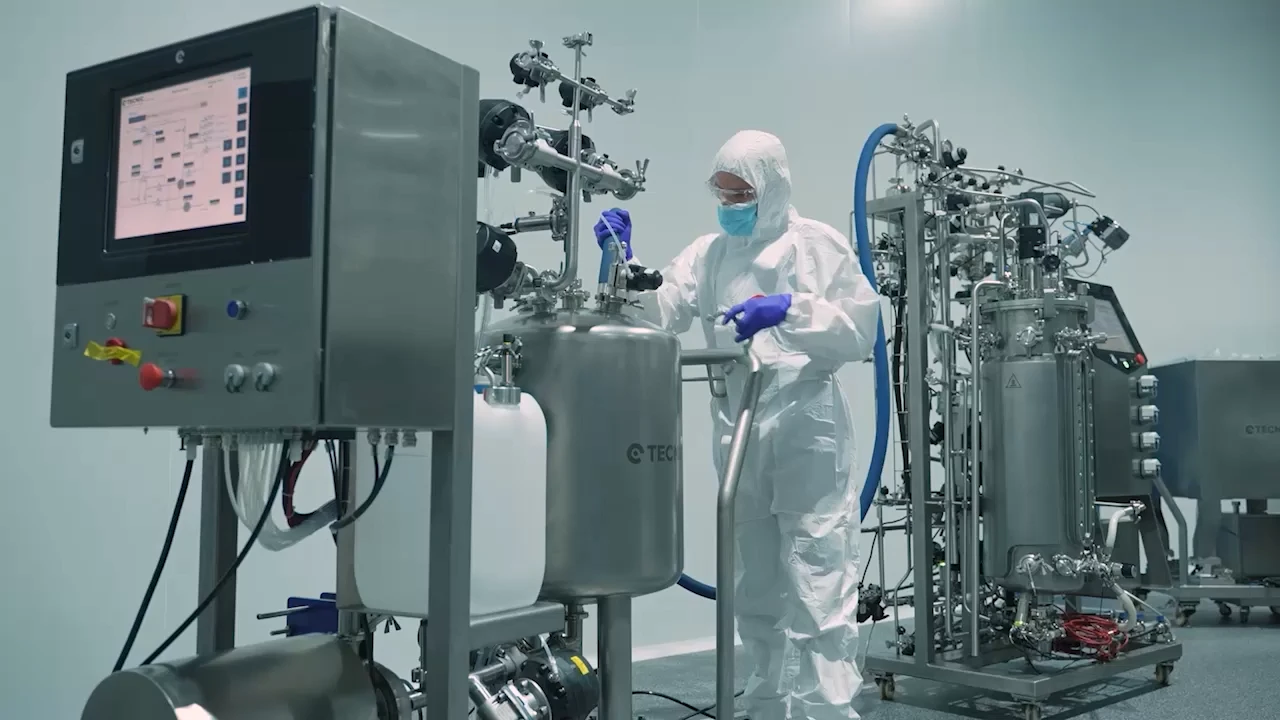
Explore TECNIC bioreactors across the scale-up pathway
These are the current TECNIC bioreactor platforms, reorganized here around laboratory, pilot and production scale so users can navigate the portfolio more naturally through the scale-up journey.
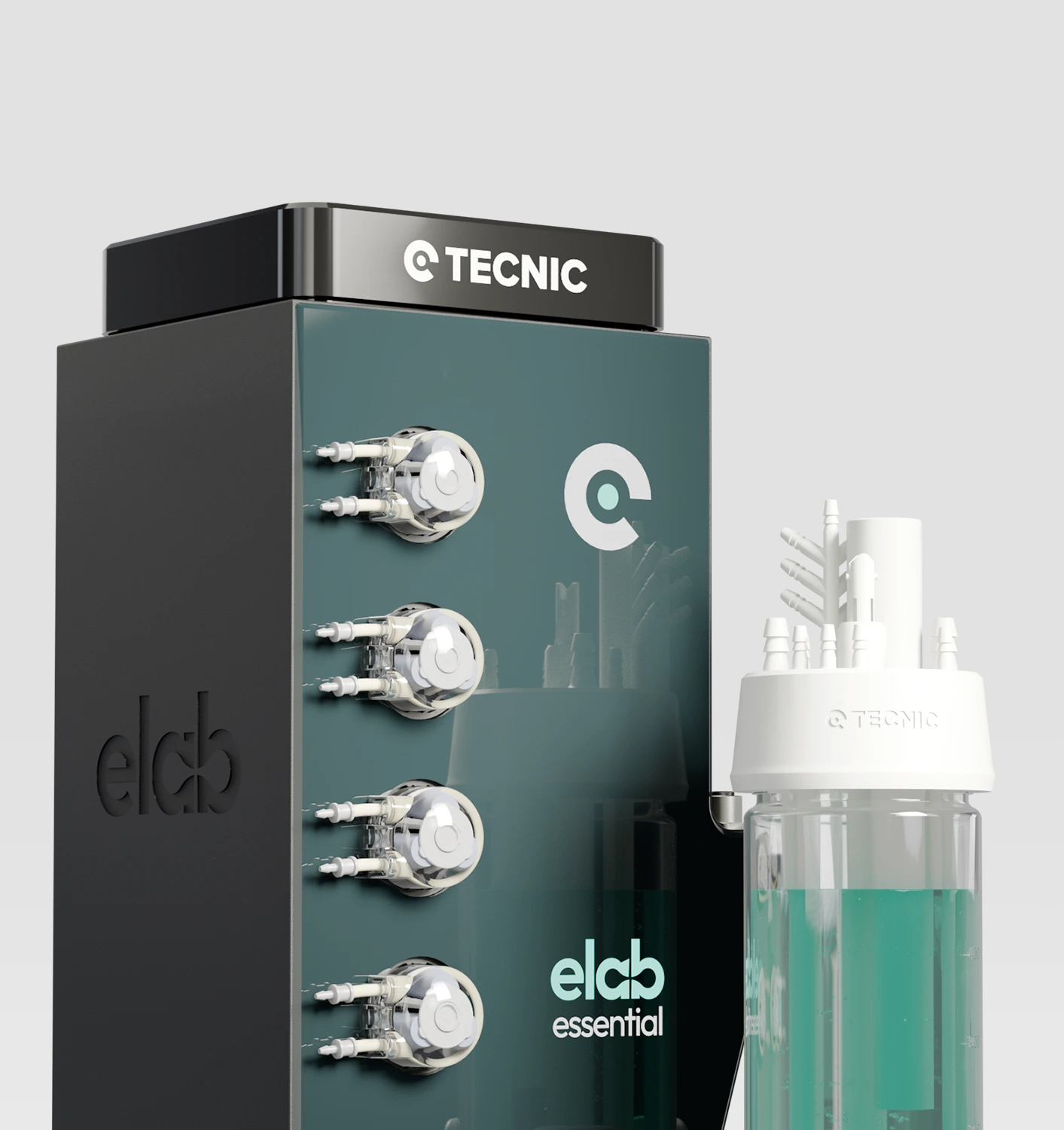
eLab Essential
Laboratory bioreactor from 1 to 10 L for early development and reusable small-scale workflows.
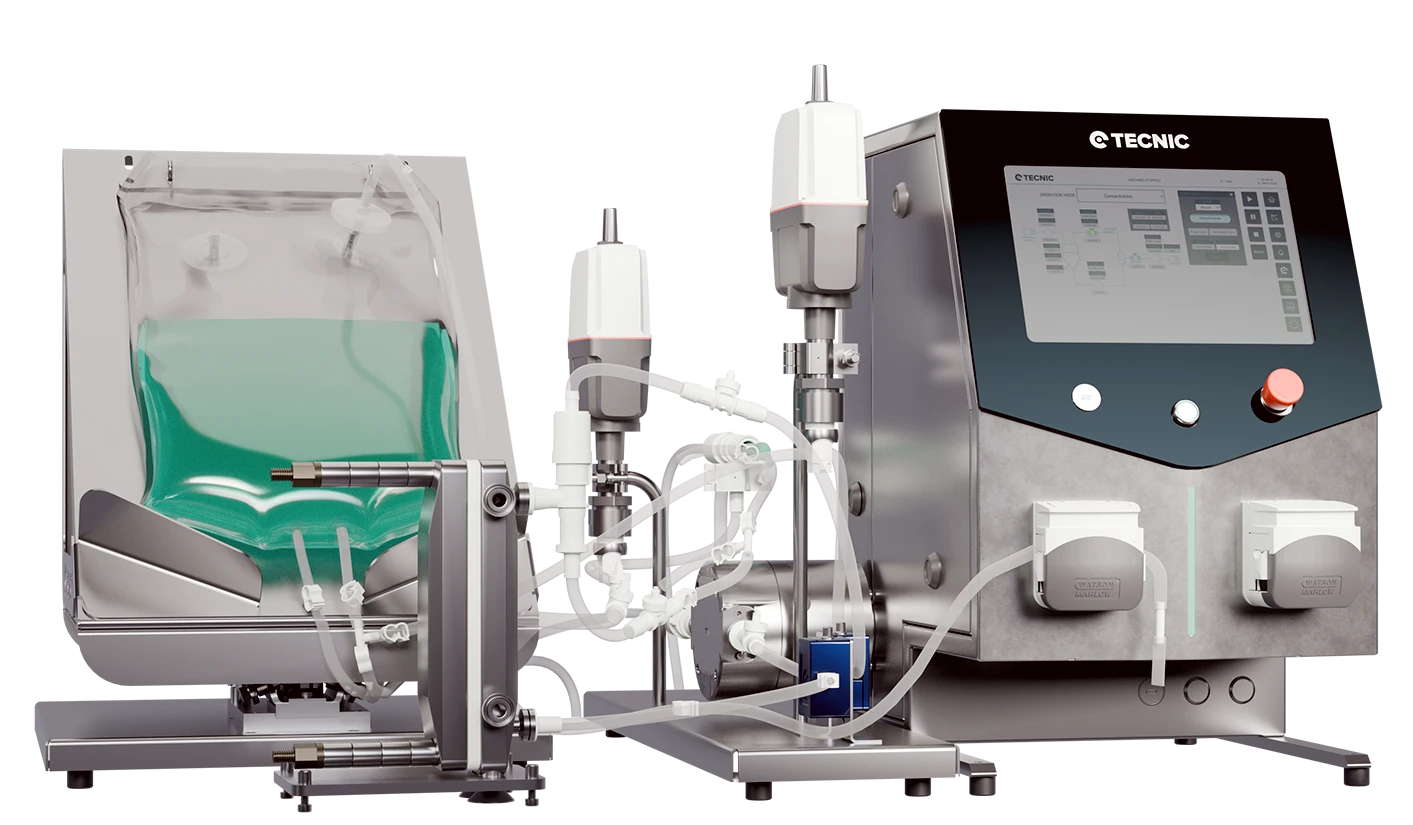
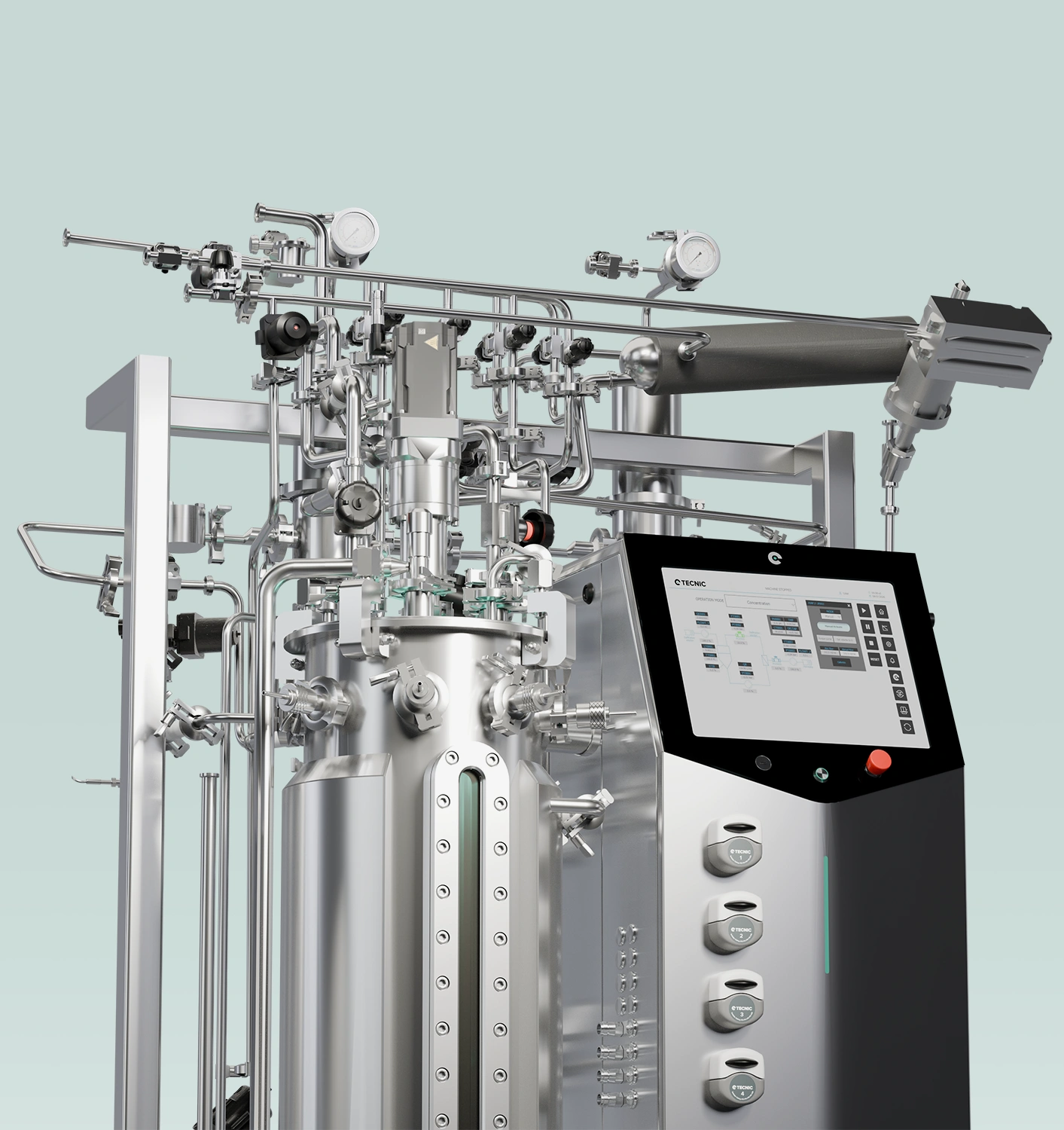
eLab Essential SU
Single-use laboratory bioreactor from 0.5 to 10 L for flexible early-stage workflows.
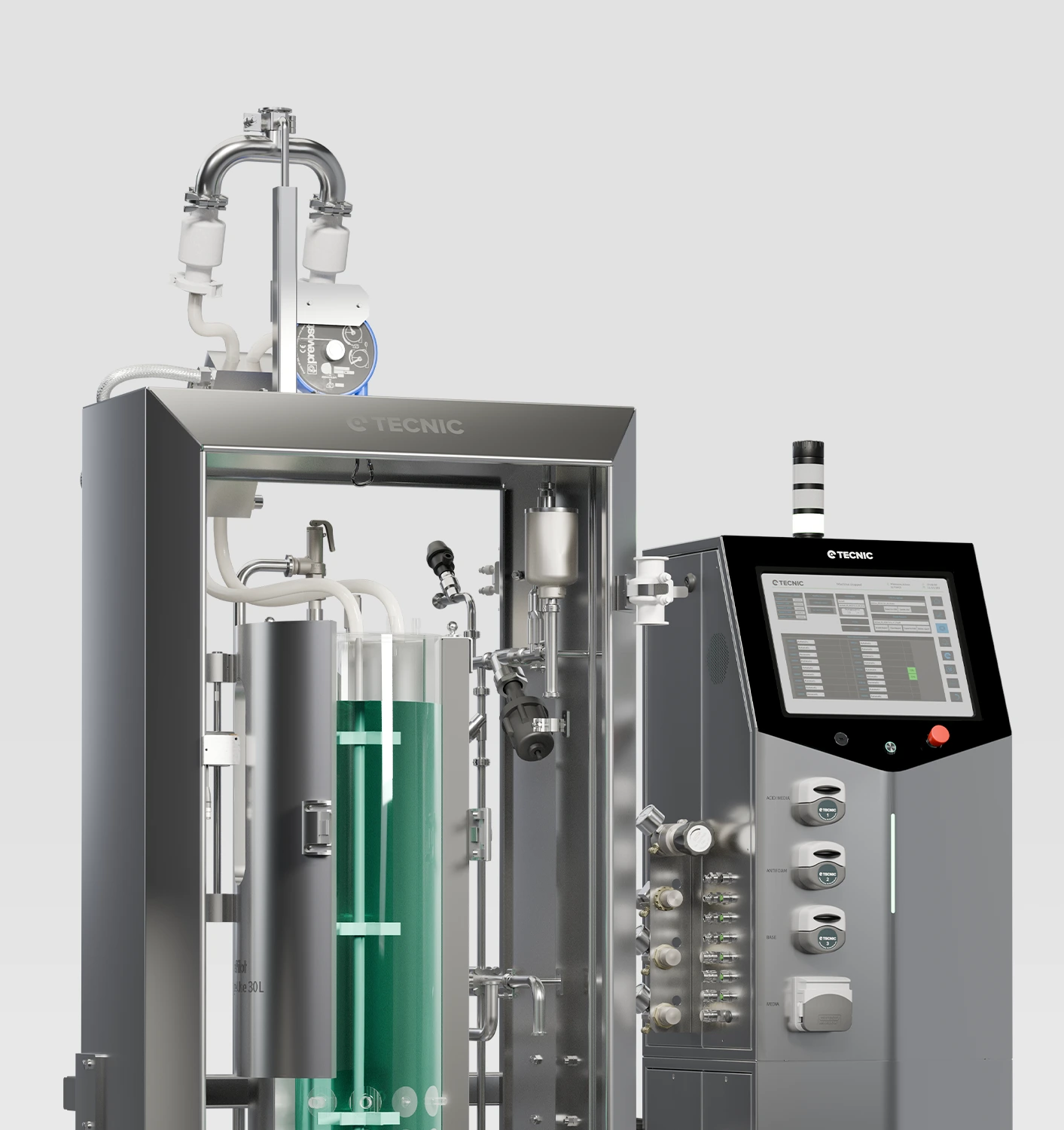
ePilot Bioreactor
Pilot bioreactor from 30 to 50 L for process transfer and bridge-scale execution.
ePilot Bioreactor SU
Single-use pilot bioreactor from 30 to 50 L for flexible process transfer between scales.
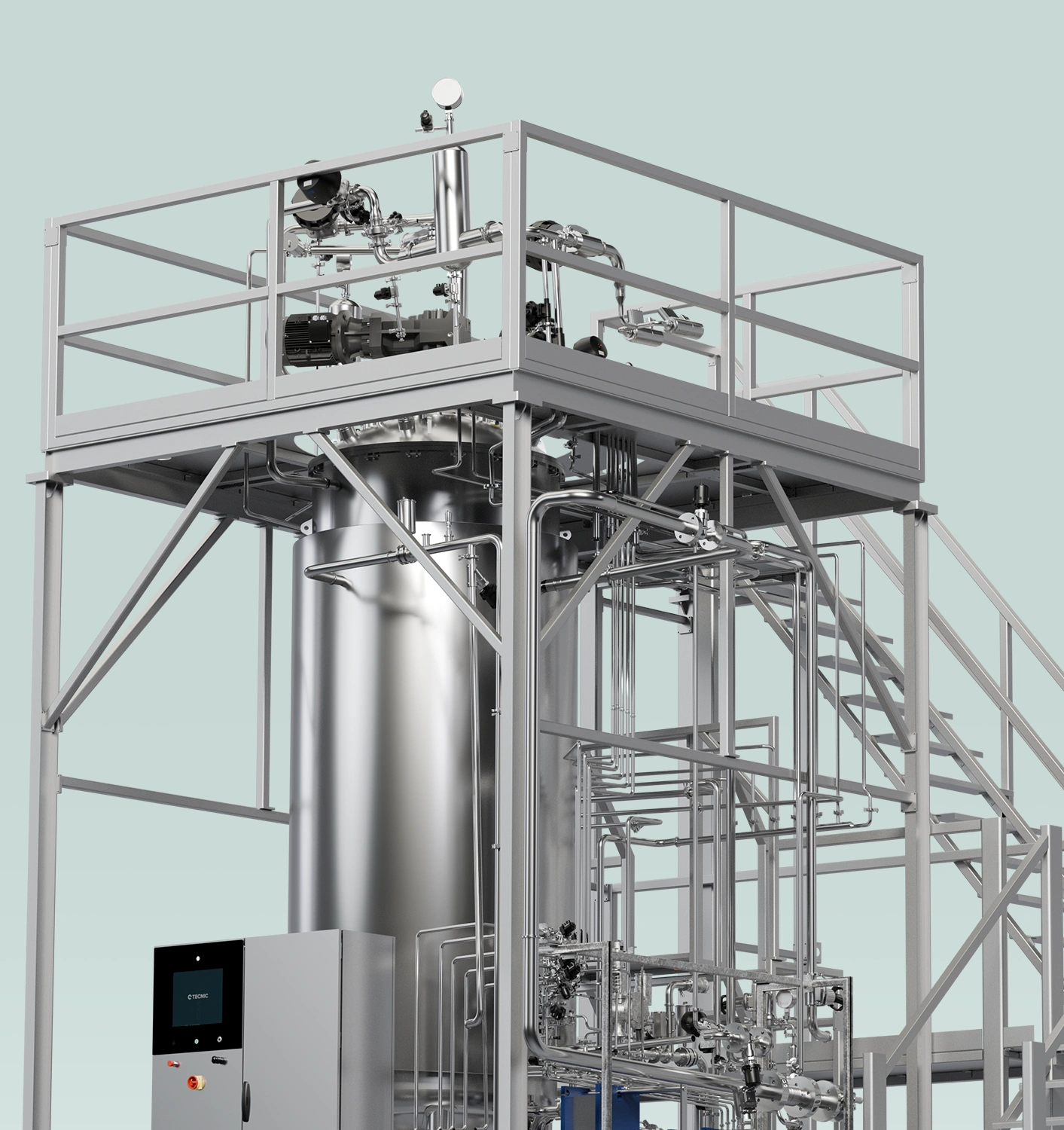
eProd Bioreactor
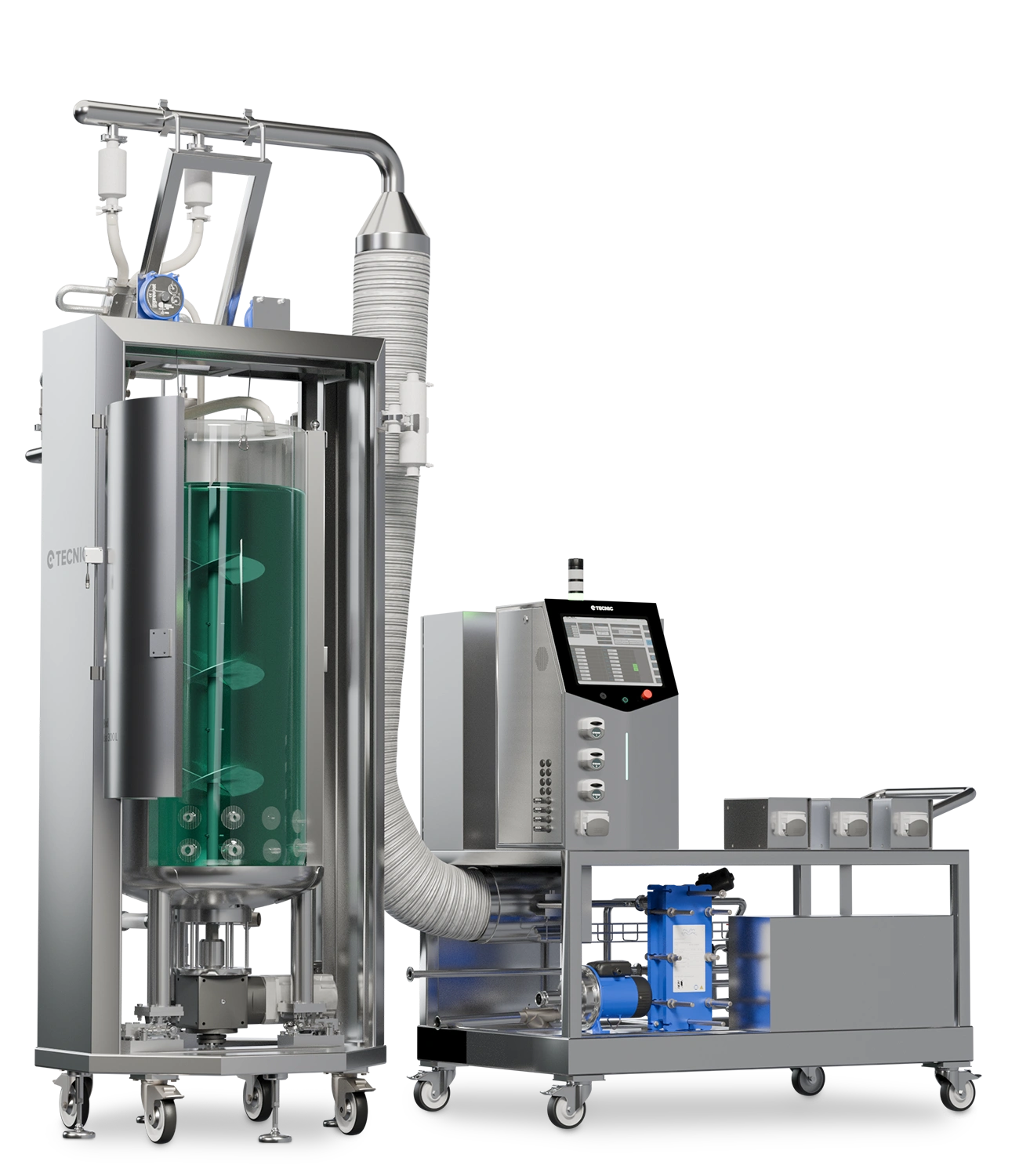
Production bioreactor from 100 to 2000 L for larger-scale reusable process execution.
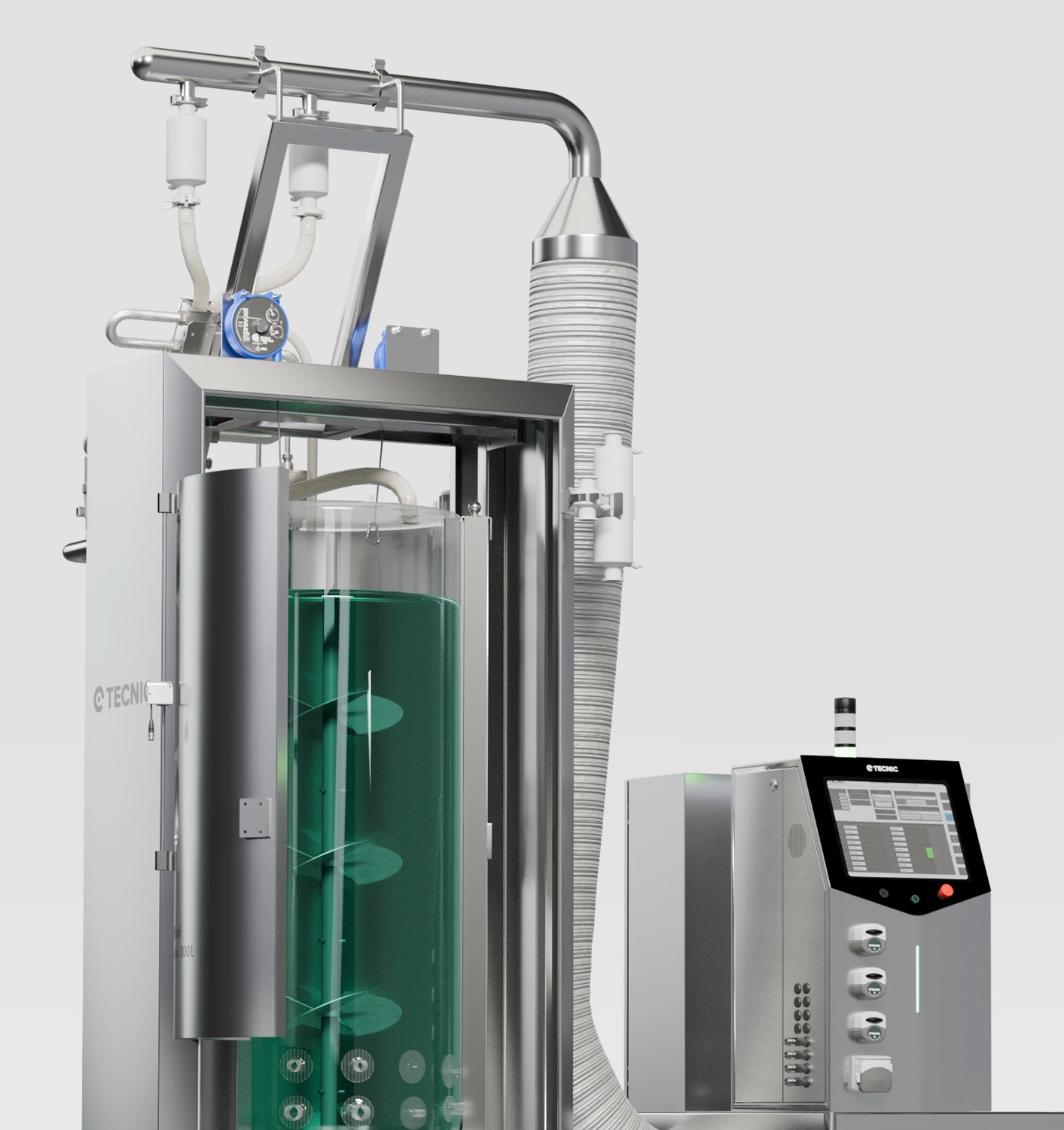
eProd Bioreactor SU
Single-use production bioreactor from 300 to 2000 L for larger flexible execution.
Related bioreactor pathways
Explore the TECNIC bioreactor range through four connected decision paths, by application, by technology, by scale and by full bioprocess scale-up.
Bioreactors for cell culture and microbial fermentation
Compare platforms through the biological route and process type.
Single-use and multi-use bioreactors
Compare reusable and single-use platform strategies across the range.
Lab, pilot and production bioreactors
Review the portfolio through laboratory, pilot and production stages.
Bioreactors for bioprocess scale-up
Follow the full pathway from development and transfer to production readiness.
Frequently asked questions
What is the difference between a lab bioreactor and a pilot bioreactor?
A lab bioreactor is usually used for early development and testing, while a pilot bioreactor is used to bridge development and larger-scale execution with a more transfer-ready process environment.
When should I move from lab scale to pilot scale?
Teams usually move from lab scale to pilot scale when the process needs stronger transfer logic, more representative operational behavior and better insight into how it will perform at larger volume.
What is a production bioreactor used for?
A production bioreactor is used for larger-scale process execution when the workflow needs stable manufacturing conditions and a platform aligned with production goals.
Can the same bioreactor family scale from lab to production?
The TECNIC portfolio is built around a scale-up pathway that covers laboratory, pilot and production, with both single-use and multi-use options across the range.
How do I compare bioreactors by scale?
Start by deciding whether the process is still in early development, already moving through transfer, or ready for larger-scale execution. Then compare the appropriate TECNIC platform at that scale.
Need the right scale before choosing the exact bioreactor platform?
Explore TECNIC laboratory, pilot and production bioreactors and review the scale-up pathway that best fits your process stage, workflow and long-term execution goals.